
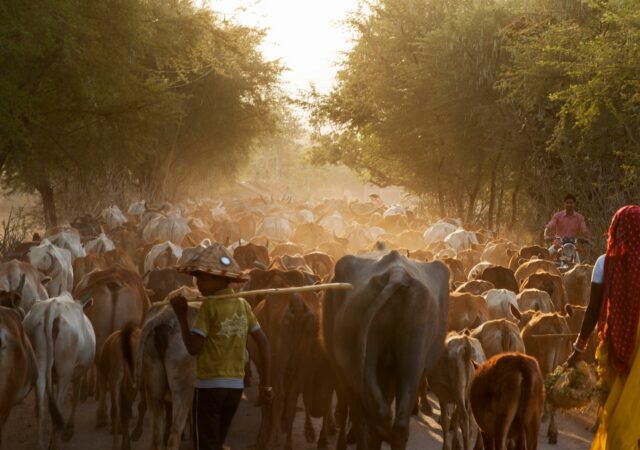
This week, the U.S. restores health aid, countries adopt a framework on sustainable livestock management, corporations slow progress on ultra-processed foods, a new tool promises to boost water security.

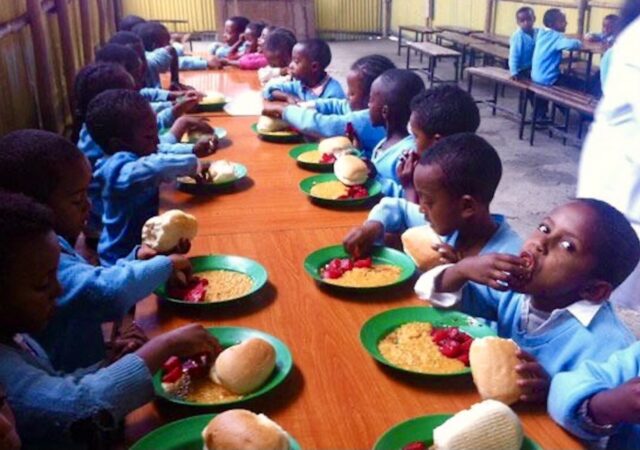
School Meals Nourish Communities Beyond the Classroom
School meal programs can do much more than address hunger—they can transform agriculture, strengthen local economies, and improve children’s futures.
Food Tank’s Weekly News Roundup: Schools Tackle Child Hunger, What’s Missing from the Cyclospora Conversation, Restored Soils Boost Food Security
Schools leverage a federal option to tackle hunger, what’s missing from the cyclospora outbreak conversation, research reveals the food security potential of healing soils.

After USAID, Who Will Fill the Agricultural Research Gap?
“I’m confident that we are seeing somewhat of a shift in the traditional donor support in the development arena that could have long-lasting positive impacts.”
Food Tank’s Weekly News Roundup: Farmers Protest Toxic Pesticides, USDA Plans Threaten the Agency, Rodale Institute Invests in Agricultural Transformation
Farmers call to phase out harmful pesticides, new warnings emerge over USDA relocation plans, and Rodale Institute announces plans to transition 10 million acres of farmland.
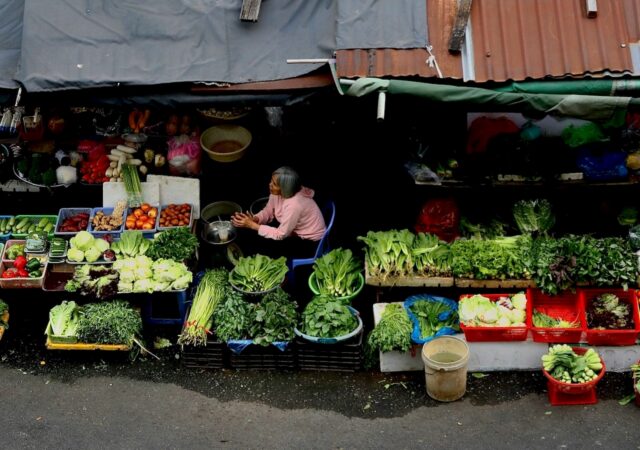
Global Hunger Falls for Third Straight Year, But Zero Hunger by 2030 Remains Out of Reach
The world is making progress against hunger, but a healthy diet remains too expensive for nearly one-third of the population.

Food Tank’s Weekly News Roundup: Right to Repair Won, School Enrollment Boosted, an Oil Pipeline Fought
This week’s news roundup covers a right to repair win, the success of a school farm pilot, and Ugandan farmers’ fight against an oil pipeline.
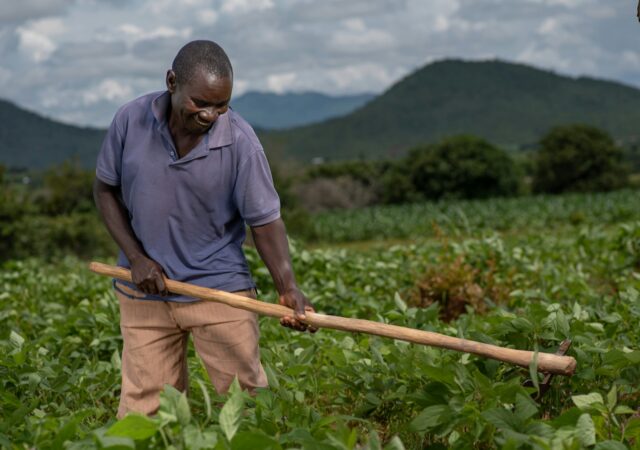
Investing in Resilience Will Help Farmers Weather the Super El Niño
As El Niño threatens to bring more extreme weather, IFAD says investing in resilience can help farmers adapt before disasters deepen.
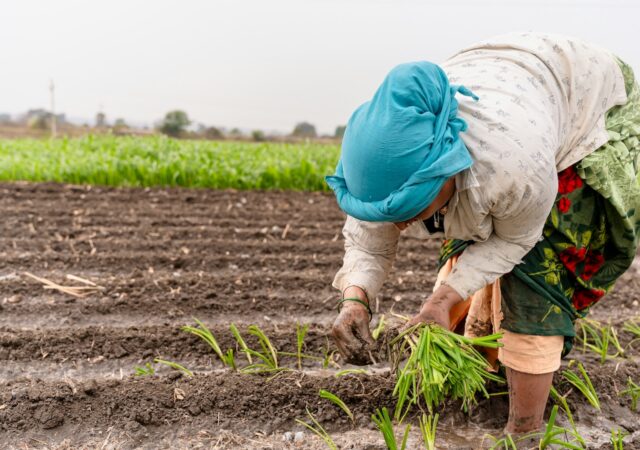
Food Tank’s Weekly News Roundup: India Acts to Empower Women Farmers, $127 Million in USDA Grants Restored, Nigeria’s Hunger Crisis Worsens
This week, one Indian state looks to pass legislation to support women farmers, a judge orders the USDA to restore millions in grants, and Nigeria’s hunger crisis deepens.
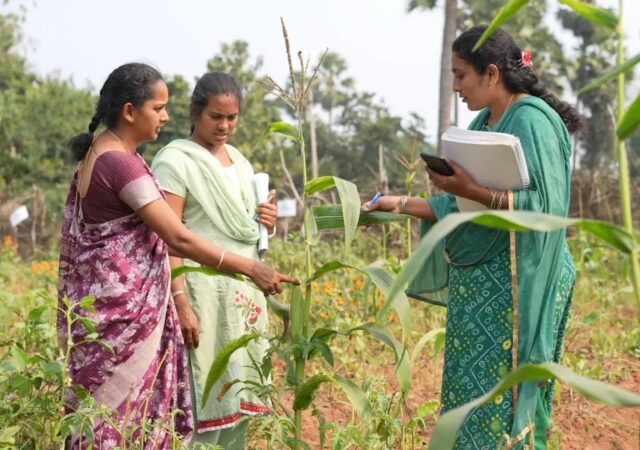
‘Simple But Profound’: Natural Farming Is Changing the Lives of Millions in India
Andhra Pradesh Community Managed Natural Farming received the 2026 Food Planet Prize for leading one of the world’s largest agroecology programs.

Food Tank’s Weekly News Roundup: Extreme Heat Hits Europe, Regenerative Agriculture Grows, and SNAP Enrollment Falls
This week, Europe struggles in extreme heat, new frameworks can scale regenerative agriculture, and a new analysis reveals that millions have lost access to SNAP since last year.
When Federal Leadership Falls Short, Cities Can Lead the Way
“There’s this backtracking on the wealth of information we know about systems approaches,” says food systems expert Jessica Fanzo.

Colombia’s New Law Takes Aim at Illegal Deforestation
Beef production is one of the biggest drivers of illegal deforestation.

Food Tank’s Weekly News Roundup: Ambition in NDCs Grows, Farm Production Costs Climb, Global Seed Vault Celebrates New Milestone
This week, a new analysis reveals that national climate action plans are integrating food and ag, U.S. farm costs are hitting new highs, and the world’s largest seed vault celebrates their largest collection of seeds.

Food Systems Resilience Depends on Women’s Health
Women’s health is deeply connected to the wellbeing of communities and the resilience of food and agriculture systems.

Biodiversity Is Good for Nature—and Good for Business
Researchers are looking for private sector partners “who see biodiversity as a source of competitive advantage.”

Communities Are Proving Drylands Are Places of Deep Opportunity
“This is an opportunity for all of us…to make these thrivelands not only a source of prosperity but also a source of peace.”

U.S. Supreme Court Sides with Bayer to Limit Cancer Lawsuits
Advocates call the ruling “a disaster for public health.”

Transparency Strengthens Food Supply Chains From Farm to Fork
Traceability solutions are making supply chains more transparent. That can empower farmers and eaters, while unlocking climate action.

Case Studies From Ireland: Making Sustainability Good Business
As companies think about investing in more sustainable models, these brands are showing their peers that there’s a business case to be made.