
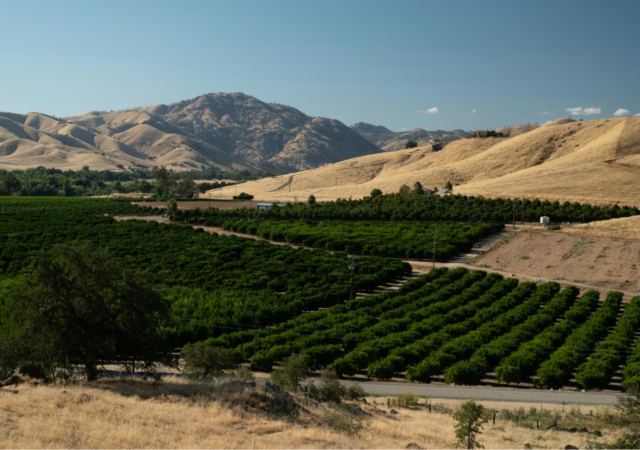
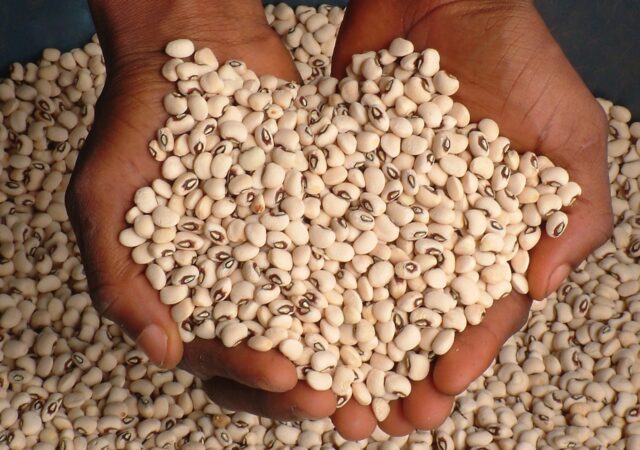
Dryland farming supports food production without irrigation, relying entirely on rainfall.
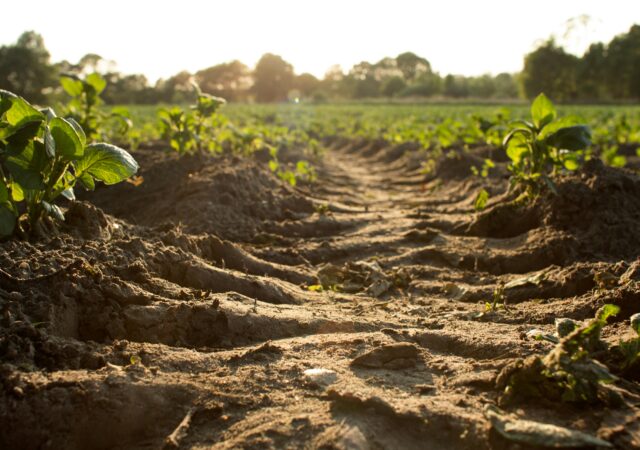
Food Tank’s Weekly News Roundup: Senate Farm Bill, Soil Microorganisms, and South-South Collaboration
The Senate Farm Bill fails to advance, newly discovered soil microorganisms show promise for sustainable agriculture, an extension model brings solutions for farming communities in Nigeria.
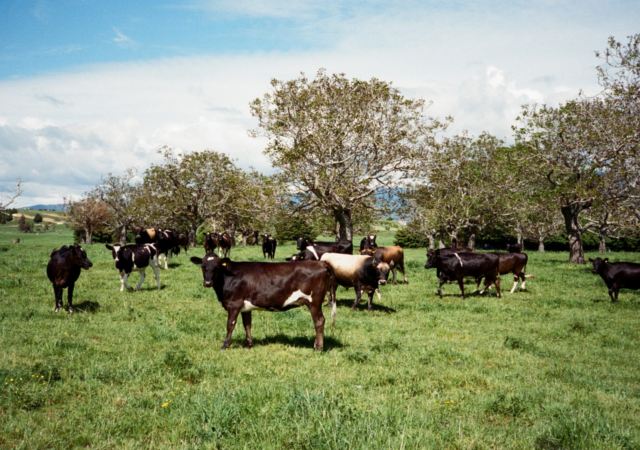
Food Tank Explains: Agroforestry
Agroforestry integrates trees, crops, and livestock into interconnected systems that can benefit farmers, communities, and ecosystems.
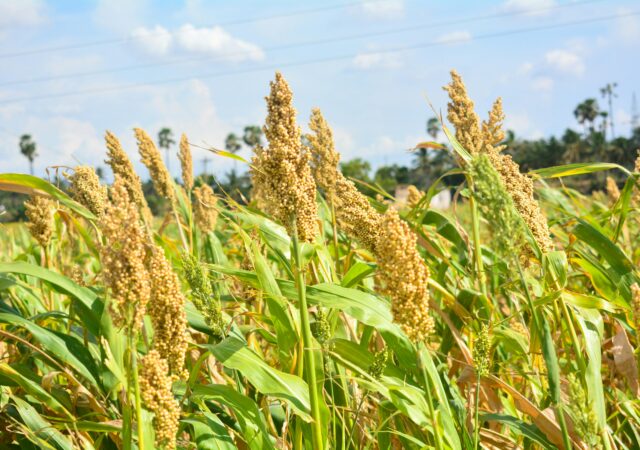
The 10 Crops That Can Turn Arid Lands Into Biodiversity And Food Security Hotspots
Food Tank explores 10 dryland crops that improve biodiversity and food security to carry us toward a more resilient future.
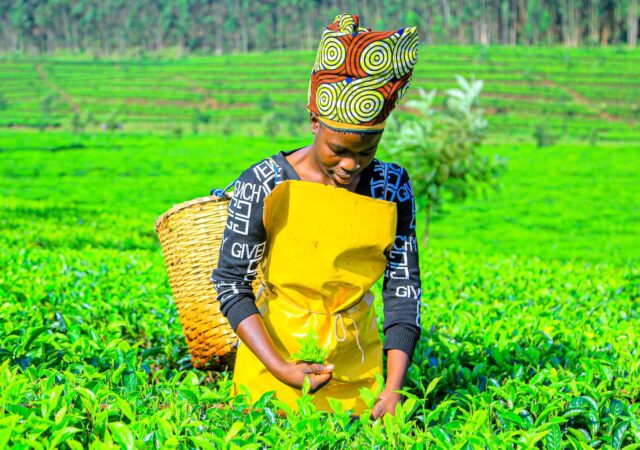
These Stories Prove How Inspiring Women Are Leading Food System Transformation
Empowering women means strengthening the food system.

Financing Africa’s Food Systems Transformation: Challenges and Pathways to Drive Growth and Nutrition Security Across the Continent
Funding cuts have Africa’s food and agriculture systems dangerously exposed. These six opportunities can help the national leaders build resilience.
Op-Ed | The Global Food System Is Broken—and Fixing it Will Take More than Good Intentions
One estimate shows that up to US$1 billion could be saved by reducing redundancies and improving collaboration between U.N. food agencies.
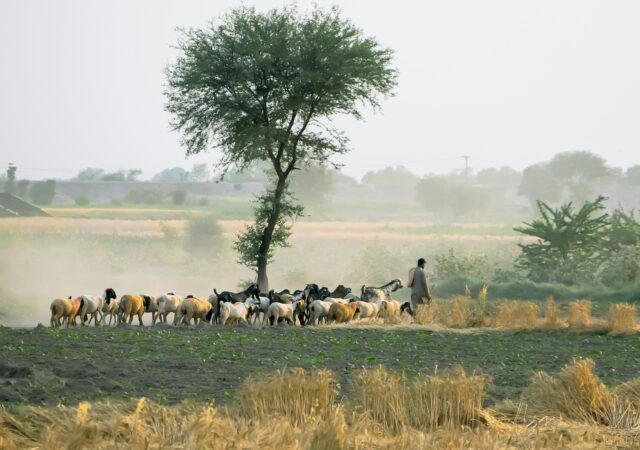
Through Indigenous Seasonal Growing, Local Ingredients and Animals Boost Resilience
From Minnesota to Ethiopia, leaders are proving that food resilience is rooted in community and tradition.

The Climate Is Changing and Science Has Answers—But What Happens if the Funding Dries Up?
The climate crisis is hurting farmers as research funding falls.

Against the Grain: How Targeting Women with Climate-Smart Innovations Amplifies Resilience
Providing women farmers with information and training that allows them to implement climate-smart innovations has amplifying benefits.
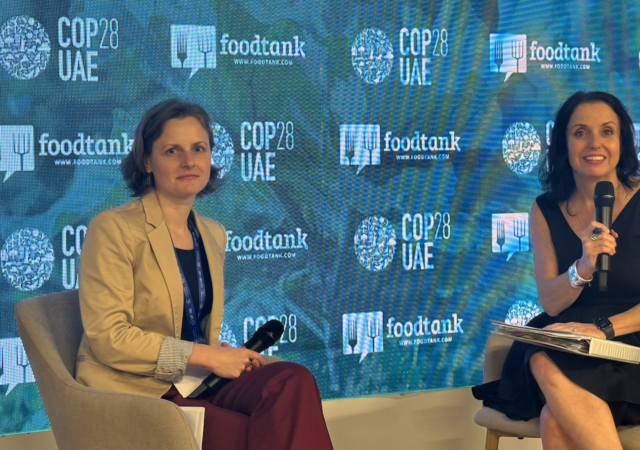
Shaping the Future of Food: Global Experts Convene for Crops that Nourish
Food, agriculture, and environmental health experts will come together for the Crops that Nourish Convening to build a global agenda for crops that nourish people and the planet.
Transitioning to Alternative Practices Is ‘No Longer a Choice.’ The Question Is How
The ClimateShot Investor Coalition is helping to connect investors, the scientific community, and food businesses and ensure that their objectives are aligned.
The U.N. Food Systems Summit One Year On: Is it Just a Paper Tiger?
On the first anniversary of the U.N. Food Systems Summit, it’s important to ask: Was it all talk and no action? Can the beautiful food system transformation plans come to life?
Climate Resilient Practices Key to Future of Livestock
Climate resilient practices are essential to ensuring the health and safety of livestock as heat waves increase in frequency and severity.
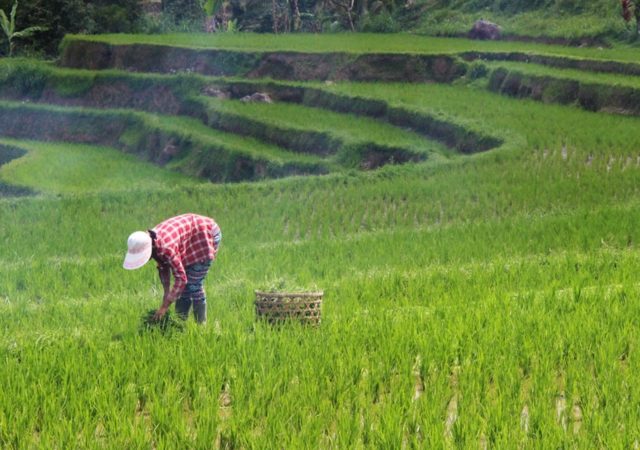
U.N. Food Systems Champions Discuss Public Research for the Public Good
During a panel hosted by Food Tank, the Global Alliance for the Future of Food, and IFAD, experts discuss the need to increase public research engages with and addresses the needs of communities.
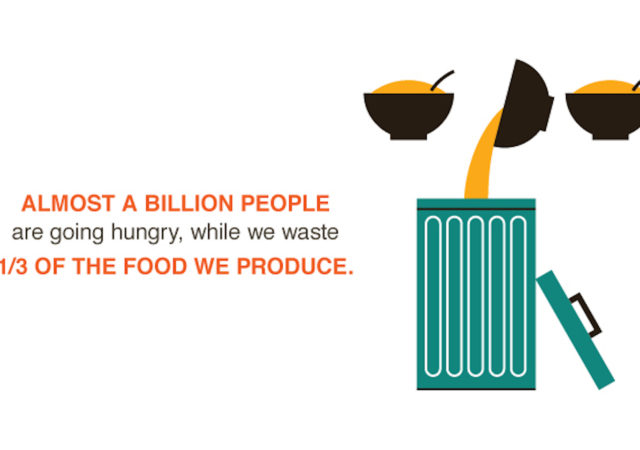
The Struggle to Halt Food Loss and Waste Amidst the Pandemic
The COVID-19 pandemic is highlighting inequalities in food production and distribution, resulting in both alarming rates of hunger and massive food loss and waste.
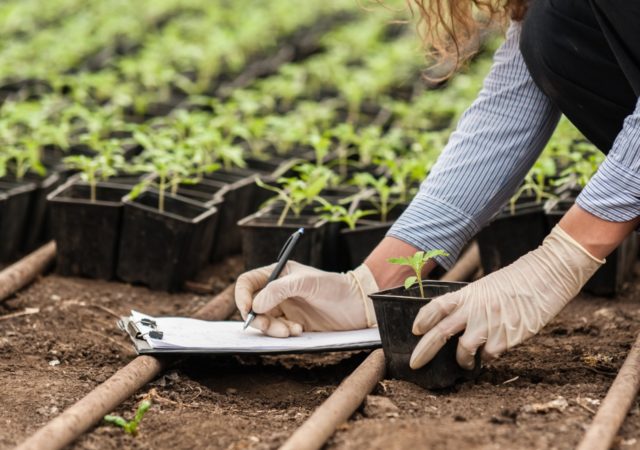
15 Organizations Creating Healthier Soil to Save the Planet
This World Soil Day, Food Tank is recognizing that healthy soil is important for more than just crops — soil can also trap carbon and combat climate change.
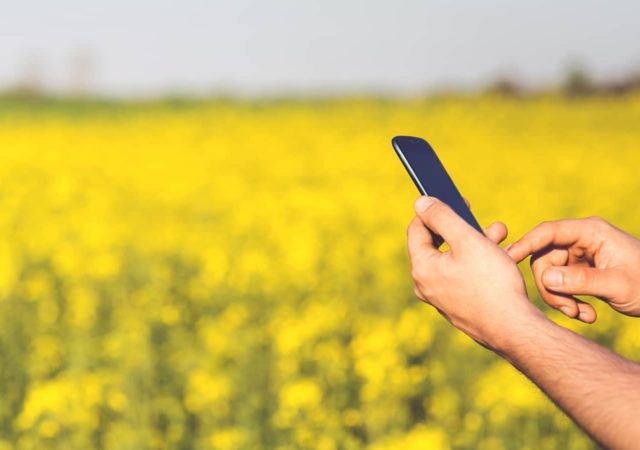
21 Projects Democratizing Data for Farmers
These advances in AI and Big Data are making it easier and less laborious for farmers to understand small occurrences and larger trends on their farms.
Under Climate Change: the Policy Catalyzing Transformation
According to the panel of experts, food policy addressing GHG emissions, waste, and dietary patterns need this to transform food under climate change.
A New Global Agriculture: Using Big Data to Bring Farmers Together
For centuries, farmers have been isolated—geographically, economically, technologically. Big Data has the potential to transform agriculture in the 21st century and create a new global commons for agricultural knowledge that could allow farmers from Missouri to Myanmar to learn from one another.