Every week, I share some of the news that makes me excited, energized, infuriated, or curious.
And this week, I’m coming to you from Antalya, Türkiye, where COP31 has officially begun.
I’m encouraged that food, agriculture, and health are front and center on the very first day of the U.N. Climate Change Conference.
In fact, COP31 President Murat Kurum made the connection explicit in his opening remarks. He said, “Climate shapes our food supply,” and reminded delegates that climate policy is also food policy.
I was glad to hear that. But here’s my question: Will we finally see meaningful investments in food systems, or will we spend another two weeks talking about what needs to happen?
Because farmers don’t need more promises. They need resources.
And there’s a lot at stake.
A new report from the World Meteorological Organization warns that 2026 will be one of the four hottest years on record, with a powerful El Niño threatening more droughts, floods, and extreme heat.
The World Food Programme is warning that El Niño could push at least 49 million additional people into acute food insecurity by the end of 2027.
But here’s the thing. We can often predict these disasters. We should be investing in early warning systems and helping farmers prepare before their crops fail, not waiting until people are hungry.
Also at COP31, the International Fund for Agricultural Development (IFAD) released a new report called The Unfunded Half.
And the findings are frustrating.
Just three percent of international public climate finance for agrifood systems has gender equality as its primary objective.
Three percent!
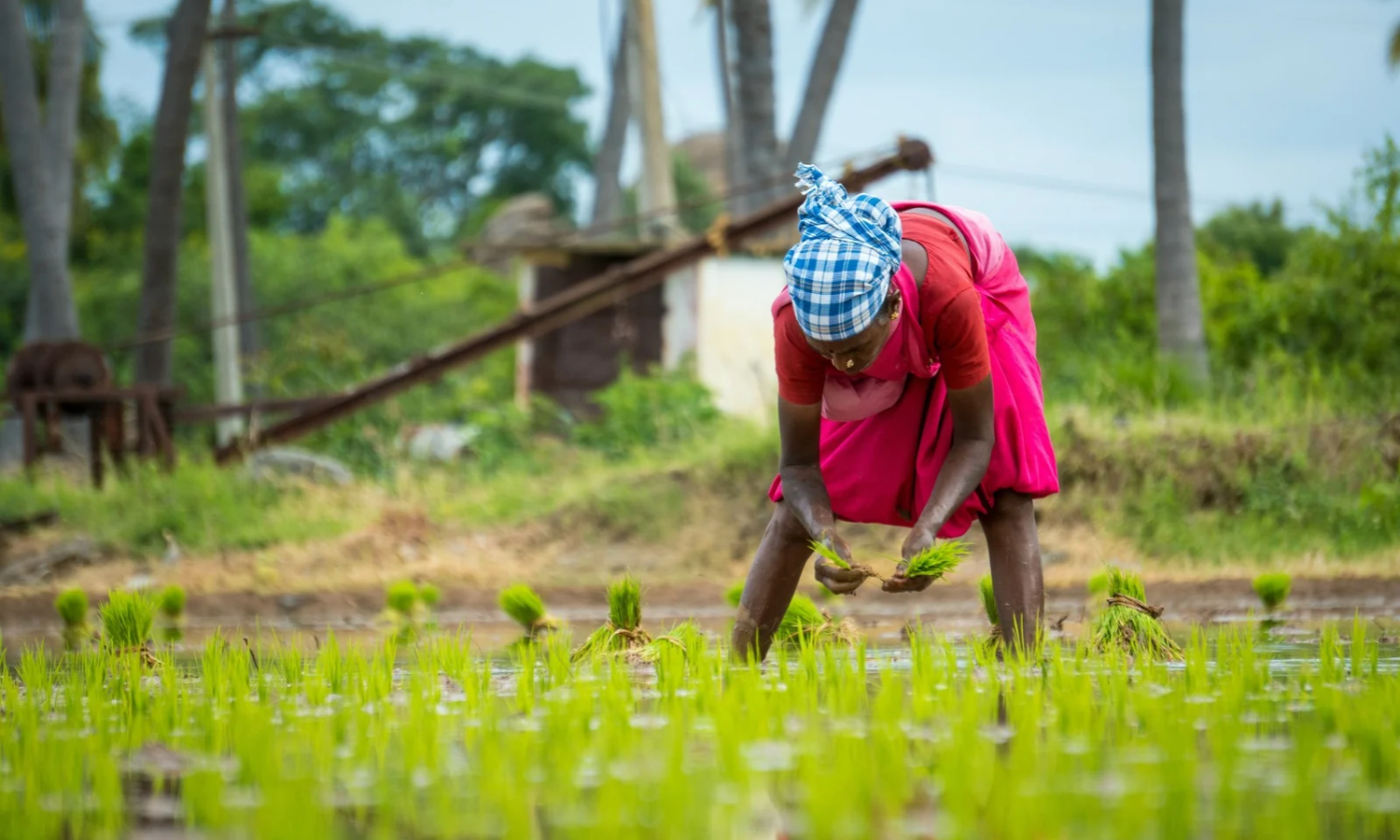
Women are absolutely essential to food production, yet they continue to face enormous barriers to land, credit, and other resources.
There is some encouraging news. IFAD announced a new US$70 million adaptation bond focused on rural communities, with gender targets built into its lending.
It’s a start. But we need to see that money reaching women farmers.
In other news, global food prices actually declined slightly in October, according to new data from the U.N. Food and Agriculture Organization.
Prices fell 1.2 percent from September, largely because of lower cereal, dairy, and meat prices.
That’s welcome news, but global food commodity prices are still nearly 6 percent higher than a year ago. And lower international prices don’t necessarily mean families are seeing relief at the grocery store.
Meanwhile, a new peer-reviewed study published in Nature Communications offers an interesting lesson for the Food is Medicine movement.
Researchers studied 210 adults receiving food pantry support, medically tailored groceries, or tailored groceries with coaching.
All three groups improved in food security, diet quality, and perceived health. But the more specialized interventions didn’t clearly outperform regular pantry support.
This doesn’t mean Food is Medicine doesn’t work. It means we need more rigorous research to understand which approaches work best, for whom, and why. And perhaps it reminds us just how important access to food is in the first place.
Finally, some good news for organic agriculture.
The U.S. Department of Agriculture announced US$66.8 million in grants supporting 35 organic agriculture research and extension projects.
I’m always happy to see more investment in agricultural research, especially research that helps farmers become more resilient, improve their practices, and remain profitable.
Articles like the one you just read are made possible through the generosity of Food Tank members. Can we please count on you to be part of our growing movement? Become a member today by clicking here.
Photo courtesy of Deepak Kumar, Unsplash