
This article is part of Food Tank’s primer series, “Food Tank Explains.” Each installment unpacks the ideas, innovations, and challenges shaping today’s food and agriculture systems, offering clear insights into complex topics. To explore more articles in the series, click here.
Regenerative agriculture is a holistic approach to farming and ranching that prioritizes soil restoration, equity within food systems, and the long-term health of land, water, and climate. Rather than maintaining conditions and resources, regenerative agriculture seeks to improve ecosystem health and strengthen the resilience of agricultural landscapes.
Healthy soils are the foundation of productive food systems, shaping outcomes from farm yields to community well-being and ecological stability. But intensive farming practices that rely on heavy machinery, synthetic fertilizers, and pesticides have contributed to soil degradation across a majority of the world’s agricultural land.
Regenerative agriculture prioritizes restoring soil health and function, supporting crop growth, nutrient cycling, and biodiversity through a range of practices. To rebuild soil health, regenerative farmers reduce or forgo tillage, avoiding the erosion caused by conventional plowing. This approach keeps soil intact, preserving soil structure, protecting fungi, and keeping carbon in the ground.
Planted in soil that would otherwise be bare before or after harvest, cover crops shield soil from wind and water and restore nutrients to the soil. They also keep living roots in the soil, providing natural tillage and mitigating fertilizer runoff.
Growing just one or two crops year after year on the same land can deplete soil nutrients and degrade soil health over time. Diversifying crops improves water and nutrient retention and supports pollinators and wildlife. Crop diversification can also reduce pests and weeds—and reduce the need for artificial fertilizer.
“It turns out it really helps to have some diversity,” Sieg Snapp, Associate Dean for Research for Washington State University’s College of Agricultural, Human, and Natural Resource Sciences, tells Food Tank. According to Snapp, diverse crops above ground feed a wider range of soil microbes below ground.
To restore soil nutrients and reduce fertilizer use, some regenerative farmers integrate livestock into cropping systems. Rooted in Indigenous land management traditions, rotational grazing involves moving livestock between pastures, mimicking the way animals historically moved in herds across grasslands. This method allows vegetation to recover while improving soil fertility through manure and organic matter inputs.
Regenerative practices often extend beyond soil health to include broader ecological and social considerations, emphasizing animal welfare and worker well-being. Many regenerative farmers prioritize fair treatment of workers, including freedom of association, safe working conditions, living wages, and participation in farm decision-making.
Some also seek to address the legacy of discriminatory policies that have limited land access and support for Black, Indigenous, and farmers of color, recognizing that regenerative agriculture must confront longstanding inequities within U.S. agriculture.
We need agriculture that “does not deplete our people,” says Leonard Diggs, Director of Farmer & Rancher Opportunities at Pie Ranch, an incubator farm supporting early-stage regenerative farmers and ranchers, focusing on communities who have historically been denied access to land.
Regenerative agriculture can improve profitability and strengthen farm performance while reducing environmental impact. By reducing dependence on fertilizers and pesticides, regenerative farms often lower costs, and research indicates regenerative systems can deliver long-term yield gains and profits up to 120 percent higher than conventional operations.
Soil-focused practices also improve water management during droughts and heavy rains, cut greenhouse gas emissions from machinery and nitrogen inputs, and increase carbon sequestration. Project Drawdown estimates that restored agricultural lands could remove 2.6 to 13.6 gigatons of carbon dioxide from the atmosphere annually.
Scaling regenerative agriculture requires reducing the financial risk farmers face during the transition by providing technical support, upfront capital, and reliable markets that offset short-term costs, according to industry experts.
Global organizations like the World Economic Forum and the World Business Council for Sustainable Development contend that actors across the value chain must align on common metrics to measure and reward environmental and socio-economic outcomes, enabling coordinated incentives, investment, and regulatory compliance.
Momentum behind regenerative agriculture is building and spans global coalitions and community-based initiatives. Regenerative Organic Certified (ROC) builds on the USDA Organic standard by adding requirements for soil health, animal welfare, and social fairness within a tiered certification framework, bringing the three pillars of regenerative organic agriculture into a single certification framework.
The Rockefeller Foundation has committed more than US$220 million to transform global food systems by scaling regenerative agriculture, including support for Regen10, a platform launched at COP27 that seeks to help ensure 50 percent of the world’s food supply comes from production methods that benefit people, nature, and climate by 2030.
RegenAG has worked with thousands of Australian farmers since 2010 through training and consultancy programs focused on soil carbon, profitability, and lower input costs, while Kiss the Ground advances regenerative agriculture in California through education and demonstration projects, and La Delia Verde applies soil-centered practices in Argentina to restore biodiversity, store carbon, and strengthen regional food systems.
Articles like the one you just read are made possible through the generosity of Food Tank members. Can we please count on you to be part of our growing movement? Become a member today by clicking here.
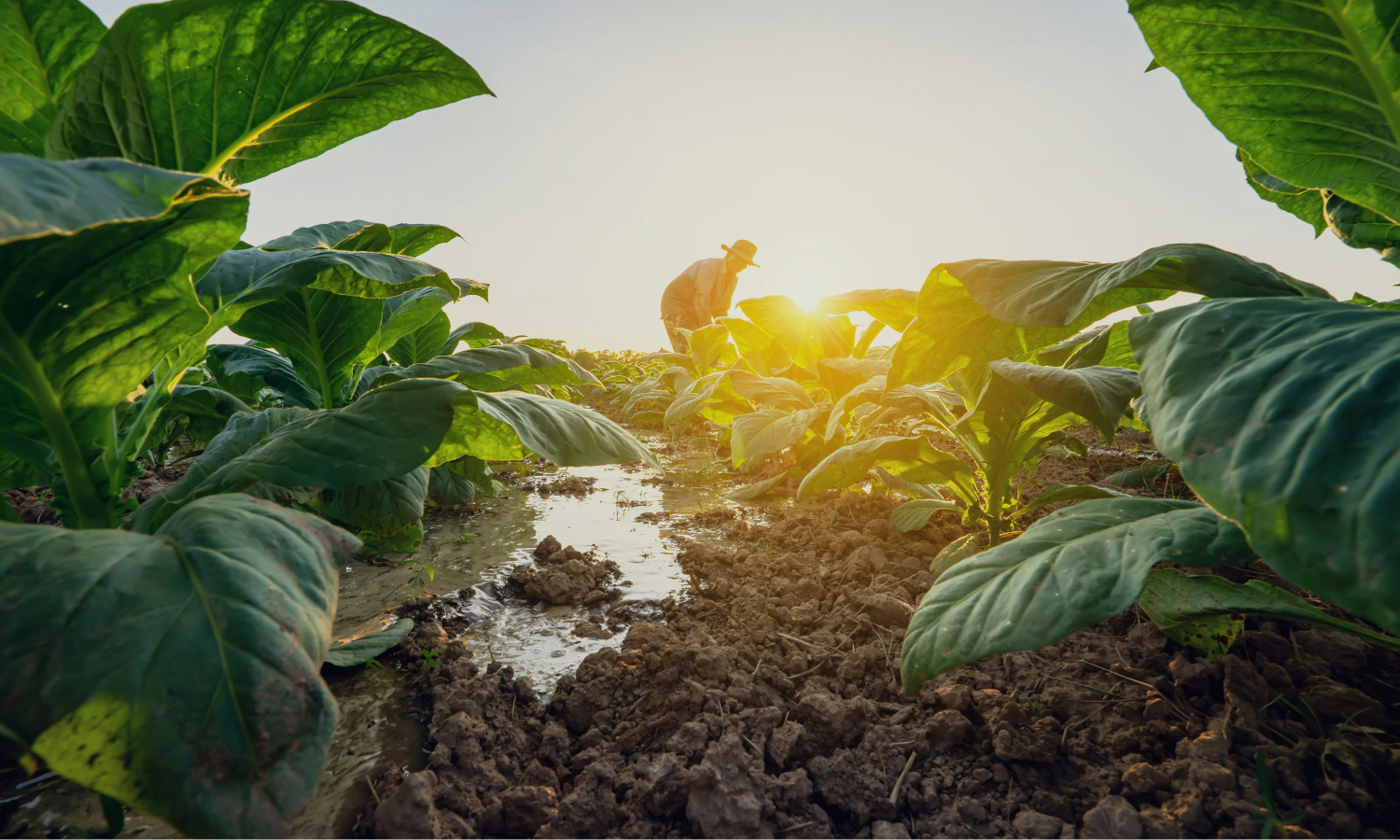
Photo courtesy of Siwawut Phoophinyo