
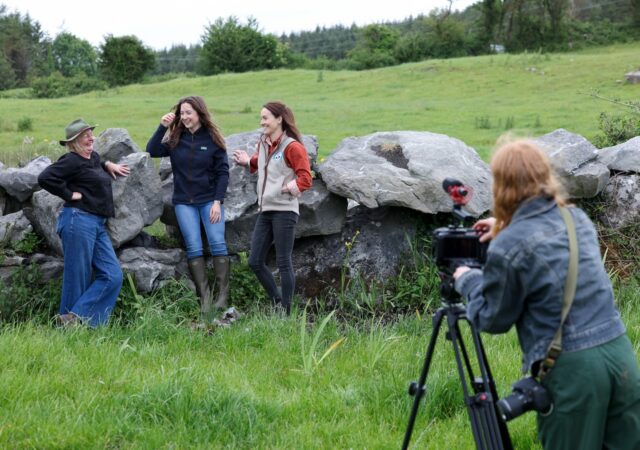
Food Tank’s Climate Week NYC film festival will spotlight farmers and food system leaders working to build a more sustainable food future.
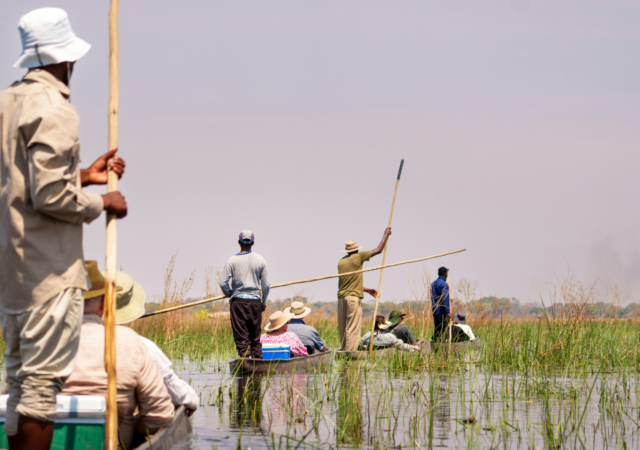
Food Tank Explains: True Cost Accounting
True Cost Accounting reveals the hidden costs of food systems—and how they shape health, environment, and equity.
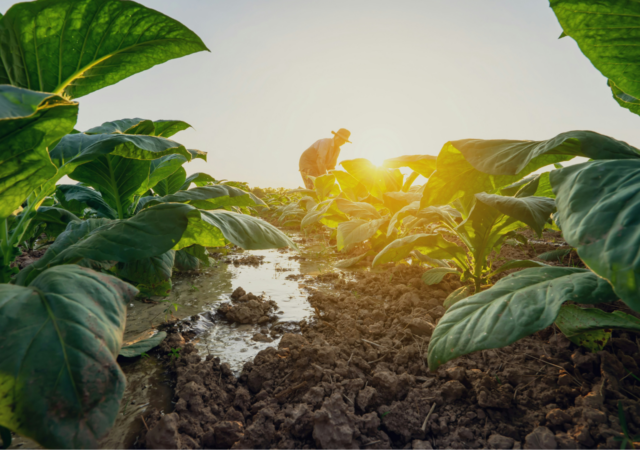
Food Tank Explains: Regenerative Agriculture
What is regenerative agriculture? Food Tank Explains breaks down how regenerative practices build soil strength and resilience, driving climate resilience and crop yield.
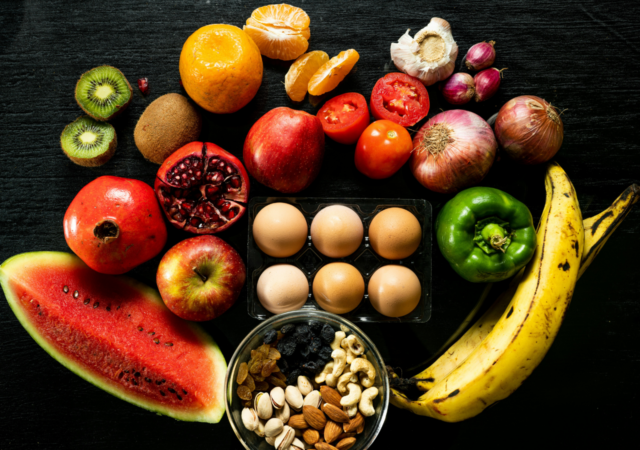
Op-Ed | From Molecules to Markets: Building a Food Intelligence Economy
The Food Intelligence Economy can unlock the hidden power of food—using data and AI to transform global health, sustainability, and prosperity.

School Meals Can Nourish Children—and Regenerate the Food System
Regenerative school meals can nourish children, support farmers, and fight climate change—but they urgently need investment, panelists say at Climate Week NYC 2025.

Food Tank and The Rockefeller Foundation to Spotlight Regenerative Food Systems at Climate Week NYC
Conversations will explore how regenerative school meals can trigger positive impact across the food value chain, from farmer to eater.
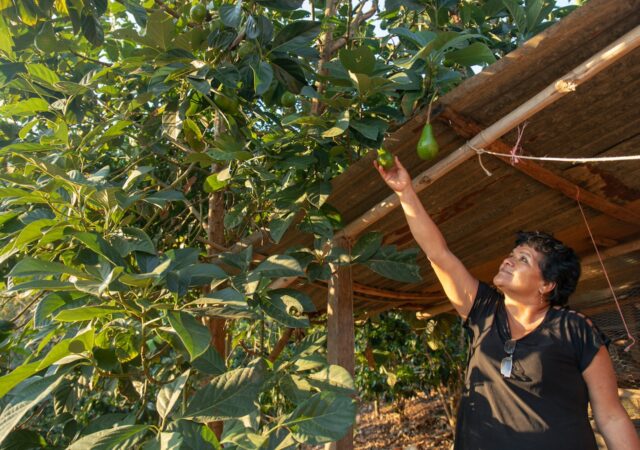
Op-Ed | Ubuntu Food Systems: Bridging Top-Down and Bottom-Up Leadership
Inclusivity means bringing together a multitude of perspectives, including smallholder farmers, global research and development, finance, startups, activism, community mobilization, and non-profit organizations.
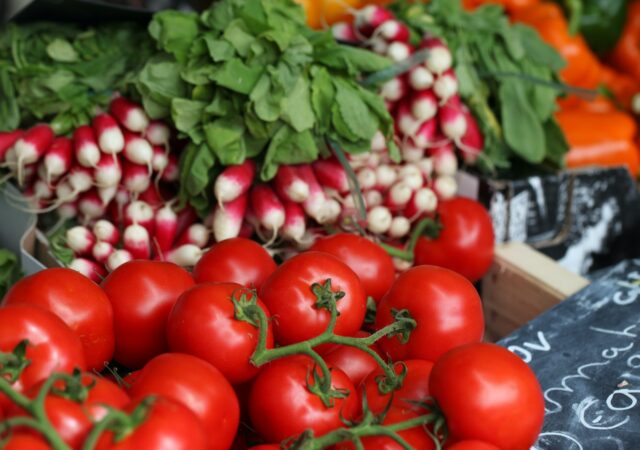
Join Food Day at UNGA!
Join us for this highly interactive event to discuss the opportunities that will maximize impact in the shortest time possible.
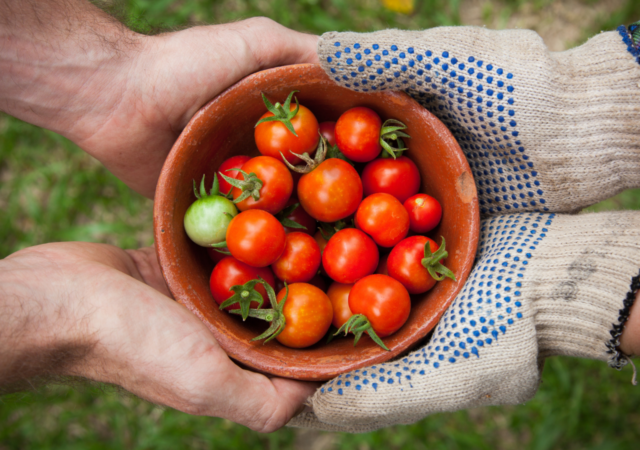
New Report from Chicago Council and Rockefeller Foundation Charts Path to Zero Hunger in an Equitable World Amid Global Crises
A new report offers a framework of hope, envisioning a hunger-free world and community-based decision making.
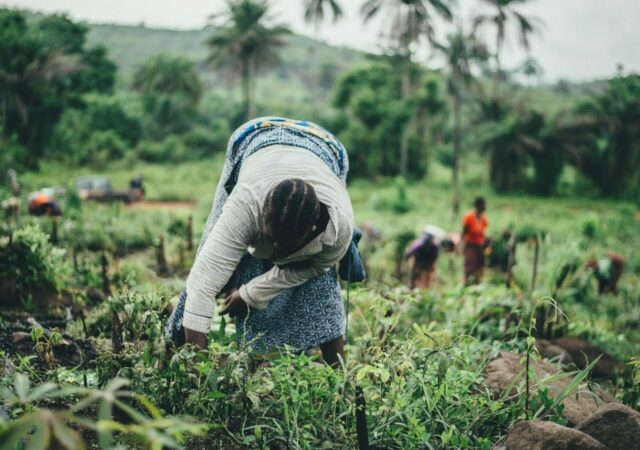
Rockefeller Foundation Announces Farmer-Led, Regenerative Agriculture Grants
The grants will go toward promoting Indigenous and regenerative agriculture.
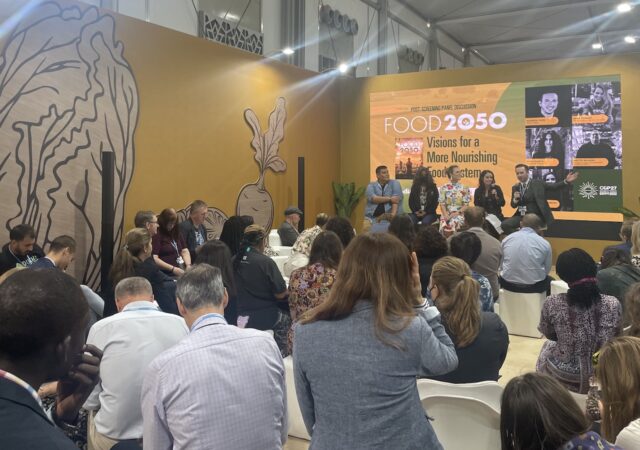
Food Systems Visionaries Maintain Hope for the Future
“I honestly believe our best days aren’t behind us,” says Matte Wilson of the Sicangu Food Sovereignty Initiative. “They’re ahead of us.”
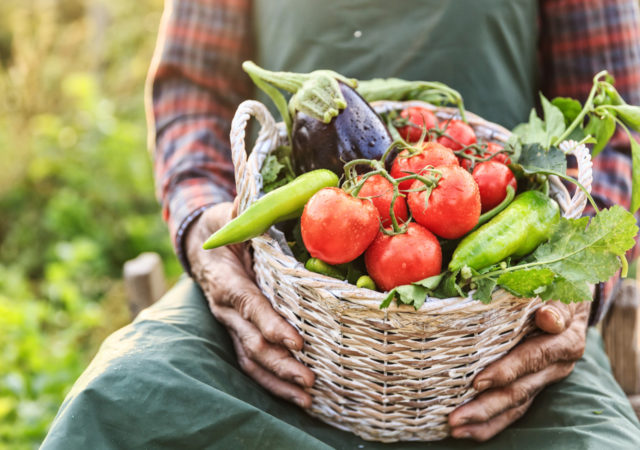
Rockefeller Foundation Commits $105M to New Good Food Strategy
The Strategy marks the Foundation’s largest commitment to nutrition in its 109-year history.
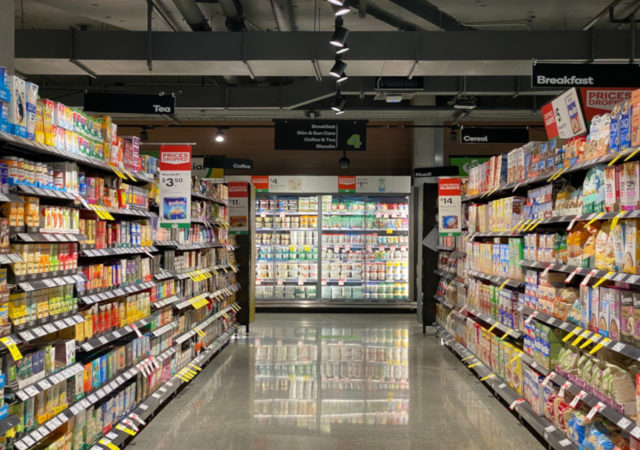
Recent Report Exposes the Hidden Costs of Food in the U.S.
According to a recent report by the Rockefeller Foundation, the true cost of food in the U.S. is three times what Americans are currently spending on food.

New Competition Places Youth at the Center of Food Systems Change
Young people aged 13-18 can enter a one-minute video for the chance to have their call to action shared with a global audience.
A Call to Action: Multigenerational Collaboration for Food Systems Change
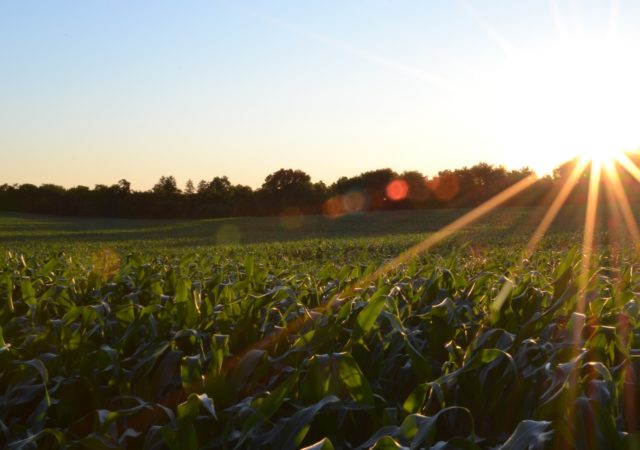
The Food Systems Game Changers Lab looks to leverage the power of multigenerational collaboration and transform the food system.
Selling the Past as Innovation in Africa
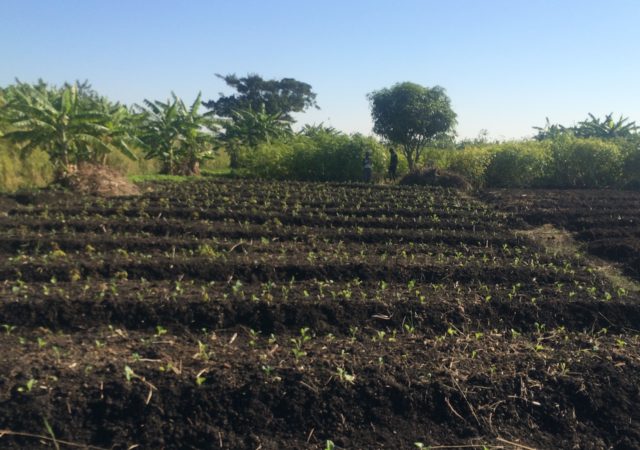
Despite criticism, a growing number of farmers, scientists, and development experts are advocate for a shift from high-input, chemical-intensive agriculture to low-input ecological farming.
Ten Finalist Visionaries Announced in US$2 Million Food System Vision Prize
Out of more than 1,300 proposals submitted, 10 finalists have been announced for the Food System Vision Prize, a challenge that highlights actionable solutions for a more sustainable food system.
Food System Vision Prize Announces 79 Semi-Finalists
The Food System Vision Prize announces 79 semi-finalists with ideas of bold transformation in the food system.
The Food System Vision Prize Is Accepting Applications Through January 31st
The Food System Vision Prize, launched by the Rockefeller Foundation, SecondMuse, and OpenIDEO, will reward proposals that inspire farmers, policymakers, businesspeople, activists, and eaters to build a more sustainable food system.
Apply for the Food System Vision Prize to Envision a Better Food System for 2050
The Food System Vision Prize, launched by the Rockefeller Foundation, SecondMuse, and OpenIDEO, will reward proposals that inspire farmers, policymakers, businesspeople, activists, and eaters to build a more sustainable food system.