
Federal judge Amy Berman Jackson ruled against Supplemental Nutrition Assistance Program (SNAP) waiver programs in five states, citing the U.S. Department of Agriculture’s (USDA) lack of authority and violation of federal regulations. The decision comes after five SNAP recipients brought suit against the agency in March.
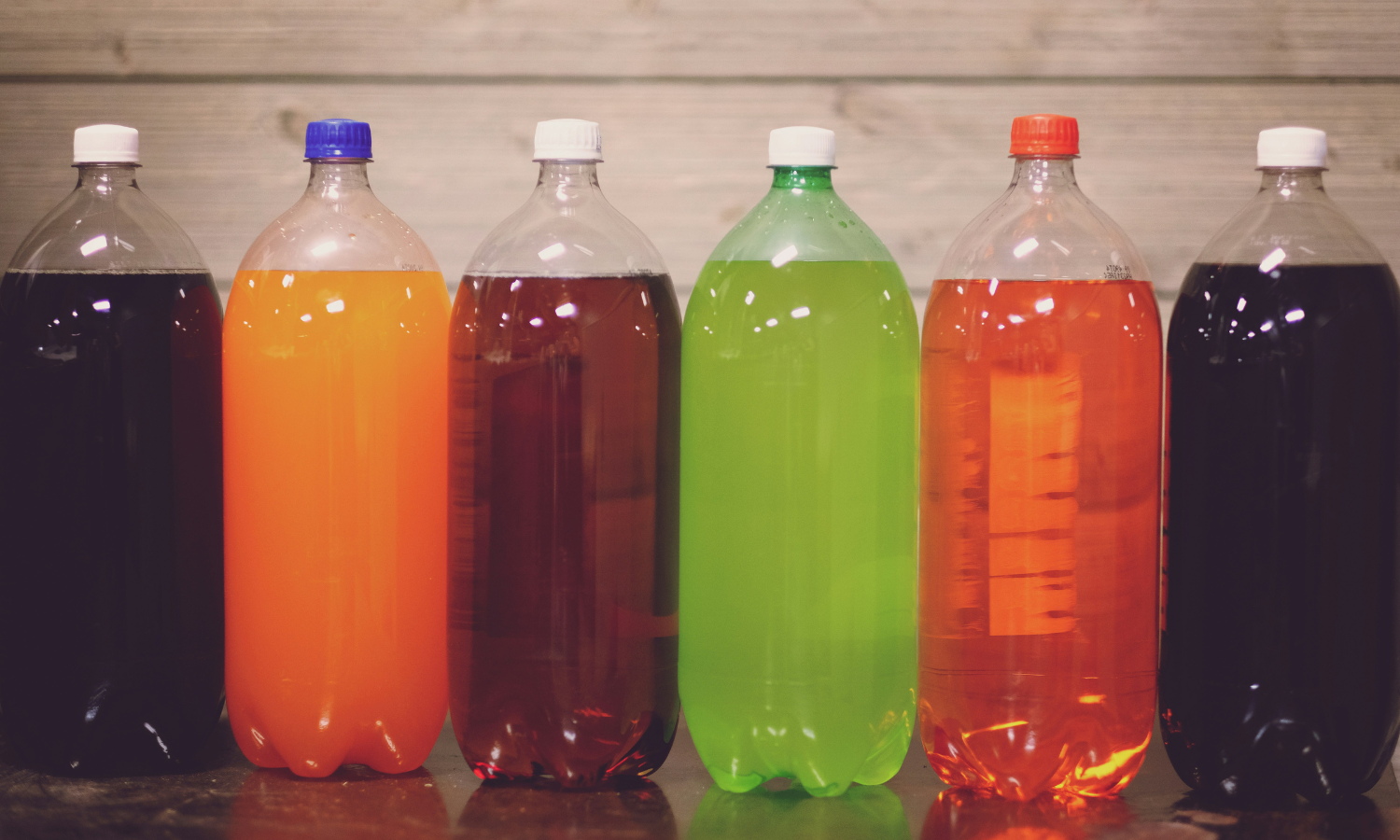
Last year, the USDA began approving state restriction waivers to SNAP programming, limiting foods that recipients can purchase. The goal of the waivers is to “strengthen integrity” and “restore nutritional value” within the program by removing non-nutritious items like soda and candy from SNAP coverage, according to the agency. The USDA has approved waivers in 23 states.
“The restrictions are just so arbitrary,” Joel Berg, CEO of Hunger Free America, tells Food Tank. He says “it’s not aimed at improving public health, it’s aimed at demonizing SNAP.”
The plaintiffs from Colorado, Iowa, Nebraska, Tennessee, and West Virginia alleged that the waivers were unlawful and made it difficult to manage health issues like diabetes.
Judge Jackson ruled in favor of the plaintiffs, deciding that the USDA does not have the authority to amend the Congressionally decided definition of food or eliminate categories of food from the program. She also took issue with the agency’s failure to publish a notification in the Federal Register within the required 30 days prior to program implementation; the notice details the project’s objectives and procedures.
SNAP is the largest federal food assistance program, helping over 40 million Americans access food. Berg argues that restriction waivers will further increase the existing stigma surrounding SNAP and reduce program participation. According to the Center on Budget and Policy Priorities, enrollment has already decreased by more than 4 million people since the implementation of H.R. 1. The legislation cut SNAP funding by US$186 billion over a span of 10 years.
Evidence shows that SNAP recipients’ diet quality is similar to that of other Americans, and that program participants are healthier than eligible nonparticipants. According to an article published in the American Journal of Public Health, “adults with very low food security are more than 40 percent as likely as others to develop hypertension, coronary heart disease, and other cardiovascular diseases.”
Advocates like Berg believe that restricting SNAP benefits unfairly removes freedom of choice from low-income individuals and implies that they are unable to make their own decisions. “It’s only when it comes to poor people do we micromanage what they do,” Berg says.
Since SNAP’s official launch in 1964, previous administrations have denied state SNAP waivers, according to the Food Research & Action Center. They cited concerns about stigma, operational feasibility, administrative burden, and insufficient evaluation standards.
The USDA has not officially announced whether it plans to appeal the ruling. However, in response to the decision, Secretary of Agriculture Brooke Rollins tweeted that the administration will “keep fighting to Make America Healthy Again.”
Articles like the one you just read are made possible through the generosity of Food Tank members. Can we please count on you to be part of our growing movement? Become a member today by clicking here.
Photo courtesy of Amanda Shepherd, Unsplash.