
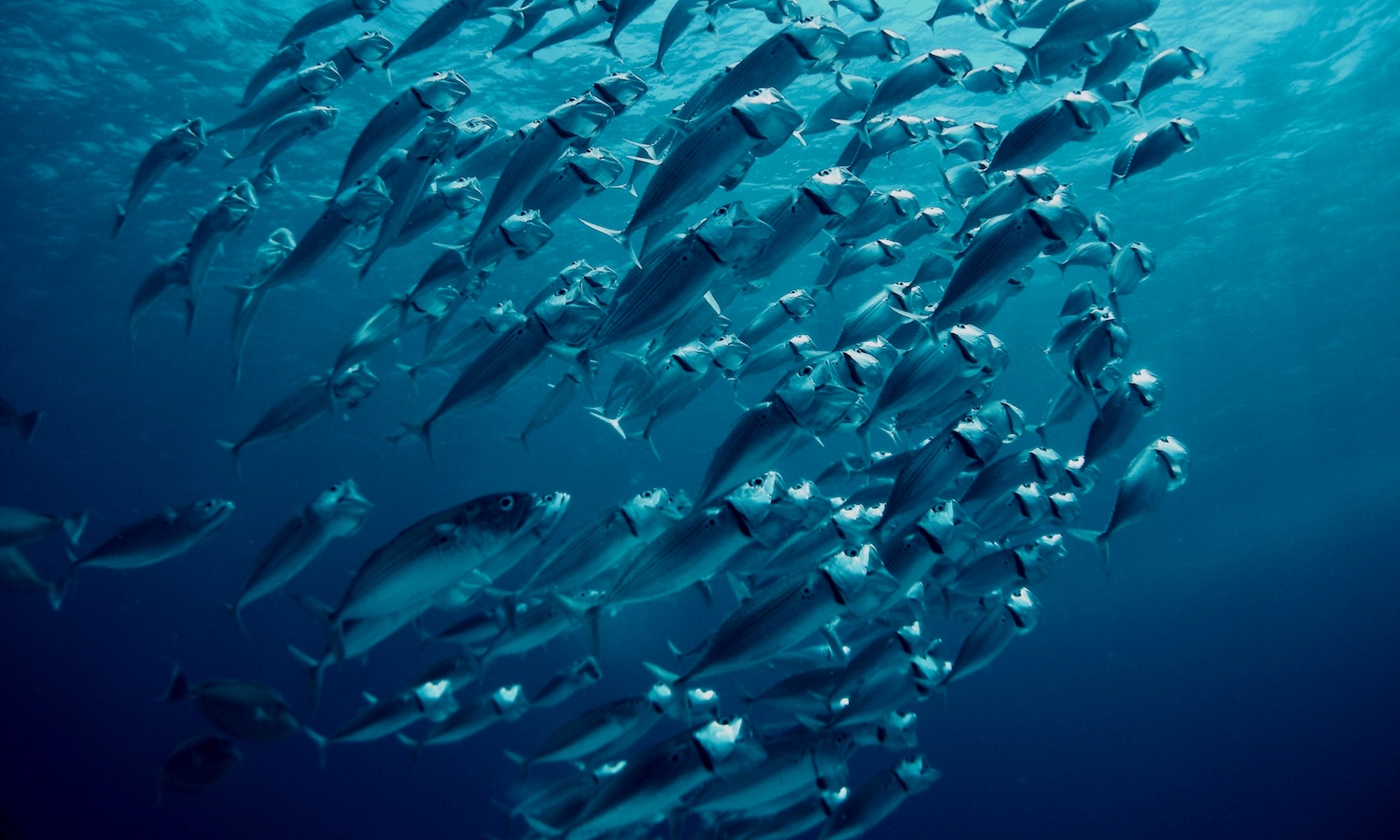
Blue foods can be complex; consumers can easily be overwhelmed. With so many species, preparation methods, and marketing claims. Because of size, scale, and accessibility, the ocean remains a largely invisible part of the food system for many consumers. Not everyone can walk down to the dock and watch a local fisherman coming in with the catch of the day.
And yet, the importance of blue foods for people and the planet is simple: we must navigate complexities by educating consumers while encouraging science-based fishery management and transparent verification along the seafood supply chain.
The U.N. Food and Agriculture Organization’s (FAO) recent State of World Fisheries and Aquaculture (SOFIA) 2026 report paints a complex but encouraging picture on the state of our wild capture fisheries. While overfishing persists as a serious global challenge—with the share of fish stocks classified as biologically sustainable declining slightly to 62.4 percent—the report also demonstrates that we already have a solution: sustainable management of fisheries.
The SOFIA report shows more than one-third of the global population gets at least one-fifth of their animal protein from blue foods. The report indicates that global trade in aquatic animal products reached $184 billion, rivaling the value of all other animal proteins combined.
Simultaneously, new data from the world’s largest survey of more than 20,500 seafood consumers revealed increased awareness and optimism about the state of the world’s oceans. The survey, done in partnership with the Marine Stewardship Council and GlobeScan, details environmental and seafood awareness and understanding from consumers in 23 countries.
The data show that consumers appear to increasingly understand the challenges and opportunities facing oceans and fisheries. While 58 percent of Americans correctly recognize that overfishing is more widespread today than it was 50 years ago, 17 percent believe fish populations can never recover from overfishing, and another 25 percent remain unsure.
The reality is that fish populations can and do recover when fisheries are managed sustainably. Around the world, there are countless examples of depleted fisheries rebuilding through science-based catch limits, strong monitoring programs, and collaboration among fishers, scientists, governments, and environmental organizations.
Seafood consumers have increased confidence that positive change is possible; 51 percent believe our oceans can be saved from irreparable damage over the next 20 years, up from 41 percent in 2024.
And consumers in the United States increasingly want to be part of that future. The survey found that 58 percent of U.S. seafood consumers say purchasing products with ecolabels aligns with their personal values. Participants report taking actions such as reducing plastic use and seeking seafood they believe to be sustainably sourced. Shoppers are increasingly noticing ecolabeled products, rising from 28 percent in 2024 to 40 percent in 2026. Awareness of the MSC blue fish label similarly increased from 28 percent to 35 percent.
As consumers navigate increasingly complex and crowded seafood aisles, independent certification and ecolabels help provide confidence that sustainability claims have been verified by a credible third party. 60 percent of seafood consumers say ecolabels increase their trust in brands, while sustainably sourced seafood continues to rank among the most important purchase considerations, following quality, health, and price.
And consumers recognize their choices can make a difference. Market demand for responsibly sourced seafood sends important signals throughout the supply chain, rewarding fisheries that invest in sustainable practices and encouraging broader adoption of effective management.
At the same time, concern about ocean health remains high, with nearly nine in ten U.S. seafood consumers worrying about the state of the world’s oceans. And that concern is warranted. Overfishing persists in many regions, and the SOFIA report highlights significant disparities between areas with strong management systems and those where management capacity remains limited.
The challenges facing our oceans are real, but so are the solutions. Science-based fisheries management, independent verification, robust monitoring, and collaborative action have repeatedly demonstrated their ability to rebuild fish populations and support thriving fishing communities.
Awareness and optimism are essential ingredients for the long-term work of protecting oceans and ensuring that sustainable seafood remains part of our future. The survey data represents a win for fisheries and businesses and all partners prioritizing healthy oceans and sustainable seafood for future generations. This awareness and optimism can buoy us, knowing we are making a difference, and sending positive market signals to fisheries. After all, a rising tide lifts all boats.
The benefits of blue foods are simple: they provide sustainable protein to a growing global population, foster global food security, and secure and provide livelihoods, among many other benefits. The onus is on us to produce and use these resources sustainably to ensure we have them for the future.
Articles like the one you just read are made possible through the generosity of Food Tank members. Can we please count on you to be part of our growing movement? Become a member today by clicking here.
Photo courtesy of Geoff Trodd, Unsplash