
The Food & Society Program at the Aspen Institute recently launched their Food is Medicine Community Action Plan. The plan builds upon the work that began with Food & Society’s Research Action Plan published in 2022 and revised in 2024, this time providing tangible ways for community-based organizations (CBOs) to develop and launch food-based health interventions that address food and nutrition insecurity while improving health.
The Food is Medicine Community Action Plan includes case studies, collaborative knowledge sharing, a community action framework, and partner resources and toolkits. It provides a blueprint for communities to take Food is Medicine from concept into practice.
“This resource is designed for organizations at any stage of their Food is Medicine journey…by sharing proven strategies and community-centered approaches, the Action Plan aims to speed up the growth of Food is Medicine programs nationwide,” Corby Kummer, Food & Society’s Executive Director, tells Food Tank.
The Community Action Plan is rooted in community needs, and created through partnerships with organizations across the U.S. Through three convenings, in Boston, Tulsa, and Tucson, Food & Society heard from practitioners and community leaders about their experience implementing Food is Medicine principles in their work.
At these convenings, participants brought their on-the-ground expertise with them, collaborating honestly and openly to create the Action Plan. Faith-based groups, food banks, health care providers, and medically tailored meal providers, are among those the plan convened and hopes to reach.
But scaling Food is Medicine is not without its hurdles, Kummer says. “The biggest challenge, which we explored at our convening in Boston, highlighted inconsistent resources to implement these programs.”
Kummer says that funding, and the interests of various stakeholders, are essential to keep in mind when working to scale Food is Medicine initiatives. During community convenings, one participant pushed back on the idea that Food is Medicine is linked to poverty and hunger.
While Kummer believes Food is Medicine and food security are “inextricably intertwined,” he understands that making the case to some stakeholders requires advocates to couch arguments “in terms of health.” Until payers—those responsible for medical care’s cost—understand the cost savings that come when eaters’ wellbeing improves, they “are not going to be convinced or interested” he says.
The Action Plan is coming at a time where Food is Medicine is gaining greater national political traction, and Kummer believes the focus from Make America Healthy Again (MAHA) Commission offers an opportunity. He does not agree with all recommendations from MAHA, citing issues with their guidance on saturated fats as an example. U.S. Health Secretary Robert F. Kennedy Jr. recently called for an end to the “war on saturated fats,” stating that past dietary guidelines wrongly discouraged their consumption.
But Kummer tells Food Tank this is a moment worth seizing: “Nutrition and fewer ultra-processed foods and more whole foods have the attention of the very top policymakers in government.” It’s important to look at the bigger picture, he says, and push for funding for things like getting ultra-processed foods out of school lunches.
Scaling Food is Medicine also requires intermediaries between CBOs and health care companies—a need that Kummer says everyone can agree on. A large health care payer does not have the capacity or vested interest to pay attention to many small organizations. That’s why intermediary organizations work to unite small CBOs across an area, which allows the organizations to be more visible to a larger healthcare payer. This is already happening in New York City, with the 1115 Medicaid waiver, which enables healthcare money to go towards food, and Social Emergency Medicine networks (SEM) that serve as “in-between” organizations.
The Food is Medicine Community Action Plan hopes to serve as its own kind of bridge, bringing practical steps to communities that need them. For an organization that wants to implement its own Food is Medicine program to support the local community, Kummer paraphrases Amy Headings and Jennifer Parsons of the Mid-Ohio Food Collective. “Start with leadership commitment, build broad coalitions, integrate across your organization, keep it simple, and focus on progress over perfection.”
“Nutrition and food are part of the national conversation, in a way they haven’t been,” Kummer tells Food Tank. “It’s a really exciting moment with a lot of potential.”
Articles like the one you just read are made possible through the generosity of Food Tank members. Can we please count on you to be part of our growing movement? Become a member today by clicking here.
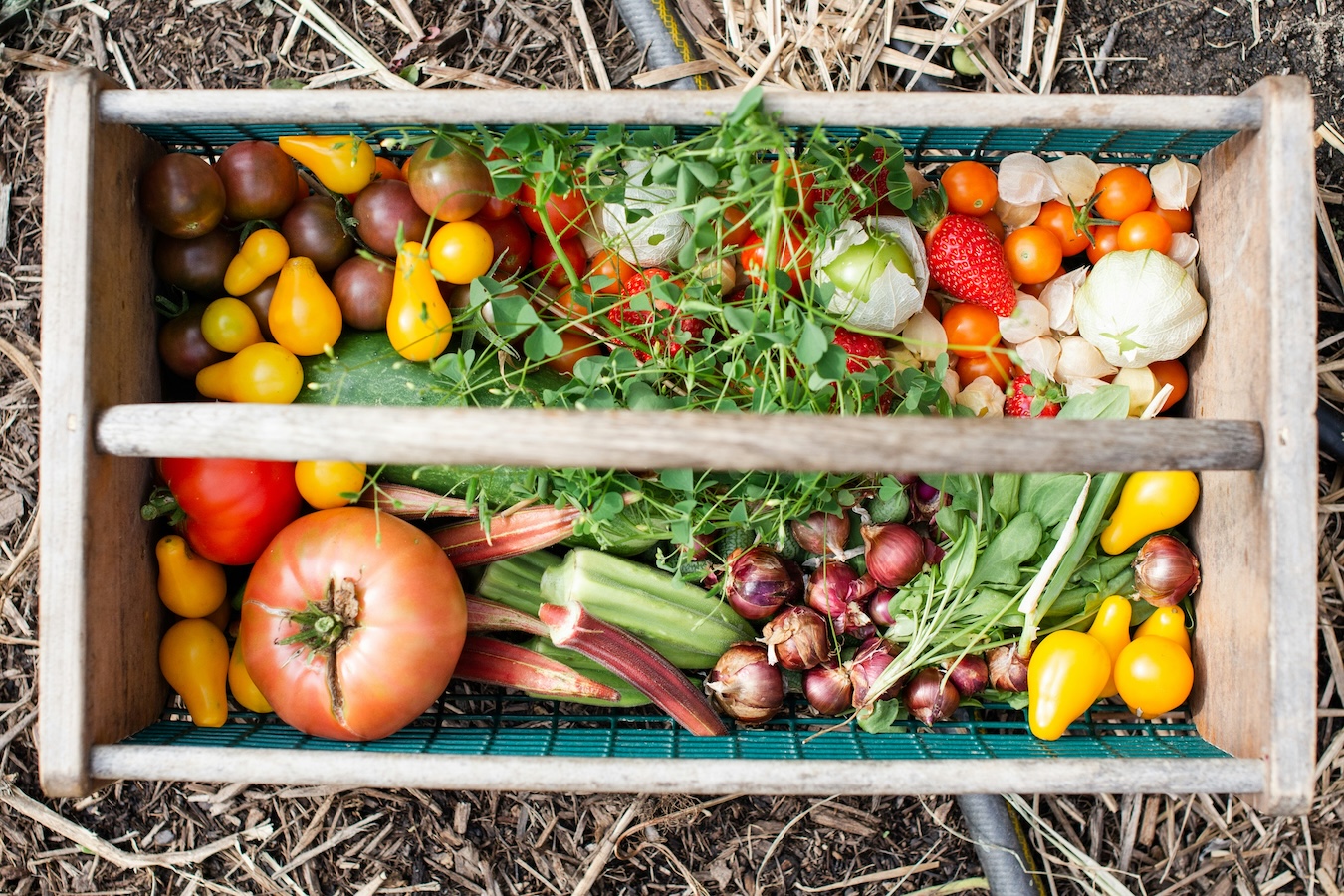
Photo Courtesy of Zoe Richardson, Unsplash