Walk into a grocery store today and you’re likely to see the word regenerative on cereal boxes, coffee bags, snack foods, even meat and dairy. The word promises a better kind of agriculture—a future beyond the extractive, chemical-intensive system that has dominated American farming for decades.
Many consumers reasonably assume that regenerative food is grown without toxic pesticides. After all, how can a system claim to regenerate soil, biodiversity, and human health while relying on chemicals designed to kill living organisms?
Yet Friends of the Earth’s new label guide finds that some regenerative labeling programs still allow the use of synthetic pesticides, including substances linked to cancer, hormone disruption, infertility, and neurological harm.
That disconnect matters. For families trying to reduce pesticide exposure—especially those with young children or who are pregnant—labels are not just values statements. They are health decisions.
It also matters for the land itself. Decades of scientific research make it clear that reducing reliance on fossil-fuel-based pesticides and fertilizers is foundational to any credible regenerative system. These chemicals degrade soil biology, decimate pollinators, contribute significantly to climate emissions, and pollute our air and water. A label that ignores this reality risks reinforcing the very system it claims to transform.
The report finds that certifications using the term regenerative vary dramatically in what they require—not just for harmful inputs but also for soil health practices. It also finds that some of the most rigorous standards meeting regenerative principles don’t use the term at all.
Overall, the analysis shows that the USDA Organic seal, and labels that build on it—Regenerative Organic Certified and Real Organic Project—lead in prohibiting toxic pesticides and synthetic fertilizers as well as in requiring ecological soil health practices like cover cropping, crop rotations, appropriate tillage, and feeding the soil with biological sources of fertility.
A label is only as strong as the verification system behind it. The report also highlights another source of inconsistency: some labels are backed by rigorous, enforceable criteria while others rely on vague requirements and weak verification systems.
For a labeling program to be credible, it needs to do more than make claims—it needs to define clear standards and verify that farmers meet those standards through independent audits.
Equally important is traceability—the system a labeling program puts in place to track a product through the supply chain.
This matters in a very practical way for consumers trying to avoid pesticide residues. With no reliable way to trace a product from the field where it’s grown to the labeled product, it’s impossible to know whether it was mixed with conventional supply at some point along the way.
Again, organic stands out: it requires third-party certification, annual inspections, and binding standards with a full audit trail from farm to shelf. And it’s the only food labeling system in the U.S. backed by federal law.
Studies show that just one week on an organic diet can reduce pesticide levels in people’s bodies up to 95 percent. And decades of data show that organic farming systems result in regenerative outcomes for the land.
More concerning still is how thoroughly the term regenerative can be co-opted when it’s not attached to any standards at all. Pesticide companies now market themselves as leaders in regenerative agriculture, even as they continue to profit from the very products that decimate soil life, biodiversity, and our health. When a single word can be used to describe both pesticide-free farming and farming systems drenched in toxic chemicals, it ceases to function as a meaningful word.
This kind of greenwashing doesn’t just create confusion—it diverts public energy and attention away from true solutions. For those seeking a genuinely healthier food system, labels grounded in rigorous standards—like organic—offer a clear path.
Labels matter because public policy is failing. The explosion of regenerative labels points to a deeper issue: the failure of U.S. food and farm policy. Farmers operate within a system that heavily subsidizes chemical-intensive monocultures while making it riskier to adopt ecological practices like crop diversification or cover cropping.
Meanwhile, regulators in the United States continue to allow over 80 pesticides banned in other countries because science shows they threaten our health or the environment.
Meaningful labels are doing important work to bridge the chasm between what farmers, consumers, and the planet need and the toxic food system our public policies are delivering.
But labels alone cannot fix a broken system. Ultimately, the goal should not be a marketplace crowded with competing labels, each asking consumers to decode its meaning. It should be a food system where the highest standards—healthy soil, clean water, thriving biodiversity, safe food, and fair conditions for farmers and workers—are the baseline, not the exception.
Until then, the clarity, transparency, and integrity of food labels matter.
Articles like the one you just read are made possible through the generosity of Food Tank members. Can we please count on you to be part of our growing movement? Become a member today by clicking here.
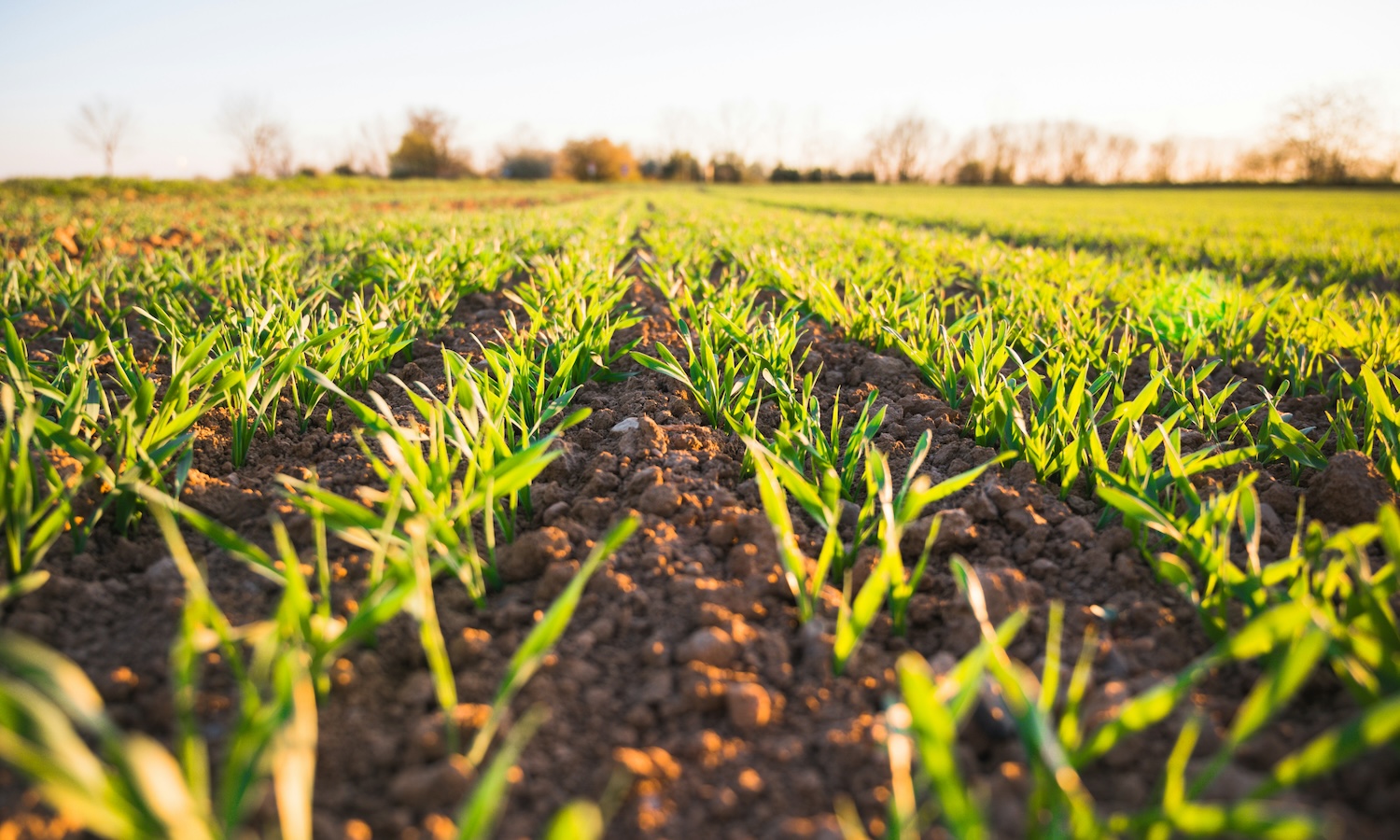
Photo courtesy of Jan Kopriva, Unsplash