With each extreme weather event that occurs, we are reminded of the precariousness of our food system in the face of climate change. While research into the impact of climate change on our food system is abundant, there are blind spots in our knowledge preventing our ability to adapt effectively to threats such as extreme heat and drought.
Our global understanding of nutritional shifts driven by climate change remains surprisingly incomplete. New research which maps nearly 500 studies on agricultural and environmental drivers of food crop composition exposes a striking gap. It shows how research has largely overlooked the “dark matter” of food, much of which is made up of specialized metabolites—small molecules the contribute to the unique qualities of our food—in plants that are formed to respond to environmental stress. Most importantly, this new collection of evidence demonstrates the need to more deeply understand these chemicals to prepare for how climate change is affecting plants’ resilience and human health.
Specialized metabolites define the taste, color and health benefits of our food. Many of them are produced by plants in response to environmental and physical stresses like pests, drought, or heat. While it is widely reported that the world is warming due to climate change, we have a very limited understanding of how, for instance, a drought-stressed rice crop or a heat-stressed vegetable differs chemically from the same crop grown 40 years ago in a cooler world, and what that ultimately means for human health. And, as climate change intensifies, understanding how the quality of a heat-stressed crop changes may be one of the most important—and most underfunded—frontiers in food systems research.
Agricultural research has long prioritized increasing yield to meet caloric needs. And, more recently, this research has begun to consider the human health impacts of food, including nutritional components (macronutrients such as protein and micronutrients such as vitamins) and safety concerns (heavy metals, toxicants). But the vast majority of research to date has focused only on these basic nutrition and safety metrics with very little done outside of those categories. Studies have largely overlooked potentially impactful specialized metabolites. Now, it is essential that research go further to expand understanding of the full, often unreported, biochemical complexity of food. If the current limited view of food is not expanded, food systems may increasingly fail to meet human health needs.
How could these mysterious, mostly uncatalogued molecules have such an important role? Because plants often increase production of them in response to environmental and physical stress, specialized metabolites are essential biochemical connectors that link plant health, the environment, and human health. Understanding them better could help push food production towards methods that adapt to and mitigate the climate crisis. For example, certain classes of these molecules could be key to reducing harmful pesticide use and others could increase the anti-inflammatory and anti-cancer benefits of crops grown to improve human health. Plants can create a class of molecules called allelochemicals which affect the growth and development of other organisms. With additional research, these natural plant compounds may one day be a tool for reducing the overuse of synthetic herbicides that harm the environment and human health.
Antioxidants are another category of specialized metabolites that protect plant cells from stress-induced damage. In humans, consuming diets high in these compounds can result in anti-inflammatory, anti-aging, and anticancer benefits. Future crop breeding strategies could focus on increasing these metabolites to help people manage and prevent chronic diseases such as diabetes and cancer.
Imagine if farmers could select crops for a school lunch program based on their cultural relevance, stress-response profiles for climate adaptation, regenerative pest management, and broader nutritional benefits for children. Two vulnerable groups in our global food systems, farmers and school children, could be major beneficiaries in future food systems nourishing generations to come. The world is investing billions in food systems, but prioritizing a sliver of food composition metrics that are incomplete indicators of the environmental drivers of food quality and agricultural resilience. Funders should support more research to elucidate and elevate the dark matter of food at the intersection of climate-resilient regenerative agriculture systems and human health needs.
Articles like the one you just read are made possible through the generosity of Food Tank members. Can we please count on you to be part of our growing movement? Become a member today by clicking here.
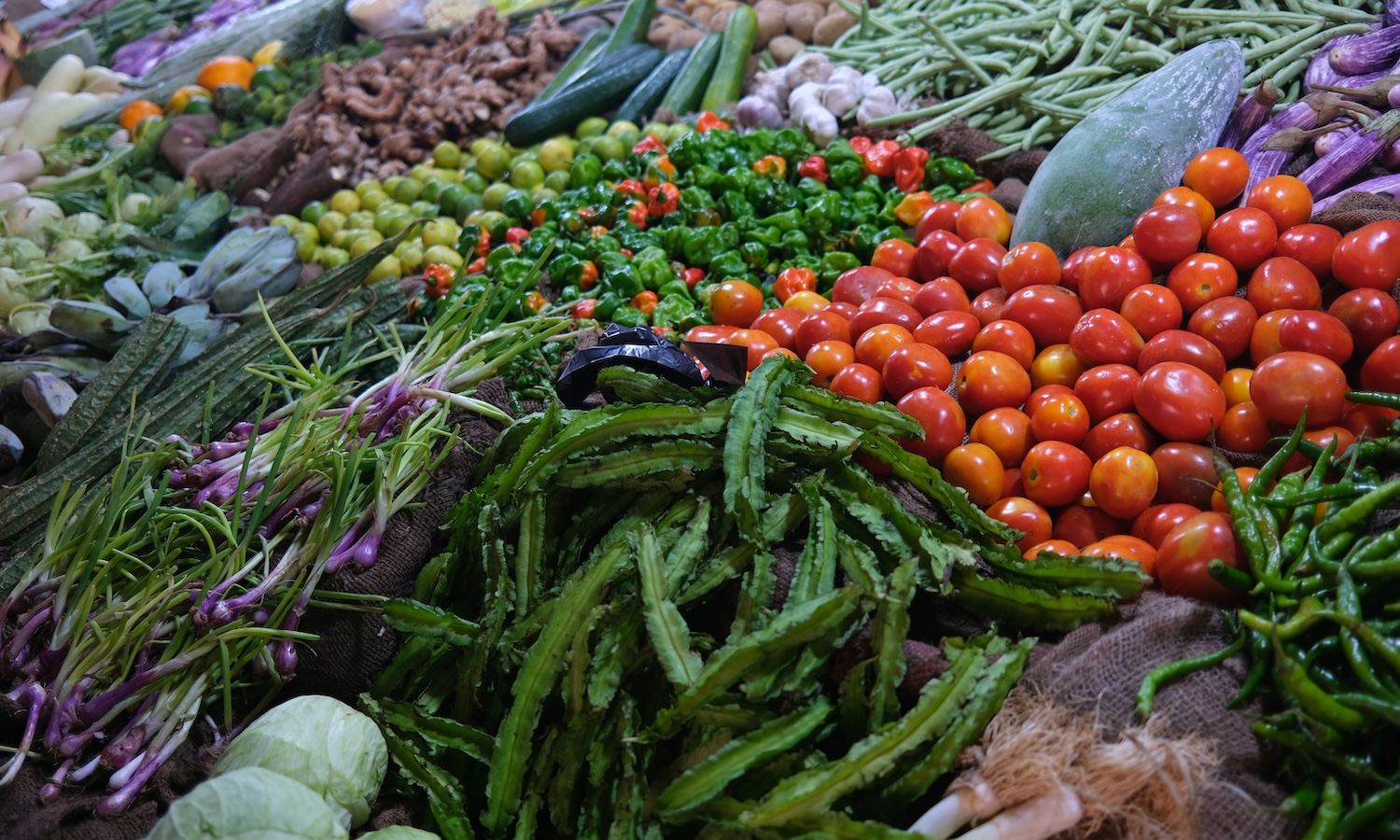
Photo courtesy of Kseniia Zapiatkina, Unsplash