
As fertilizer prices rise and farmers face growing pressure from climate change, researchers in Kenya are looking to an unlikely allies—insects.
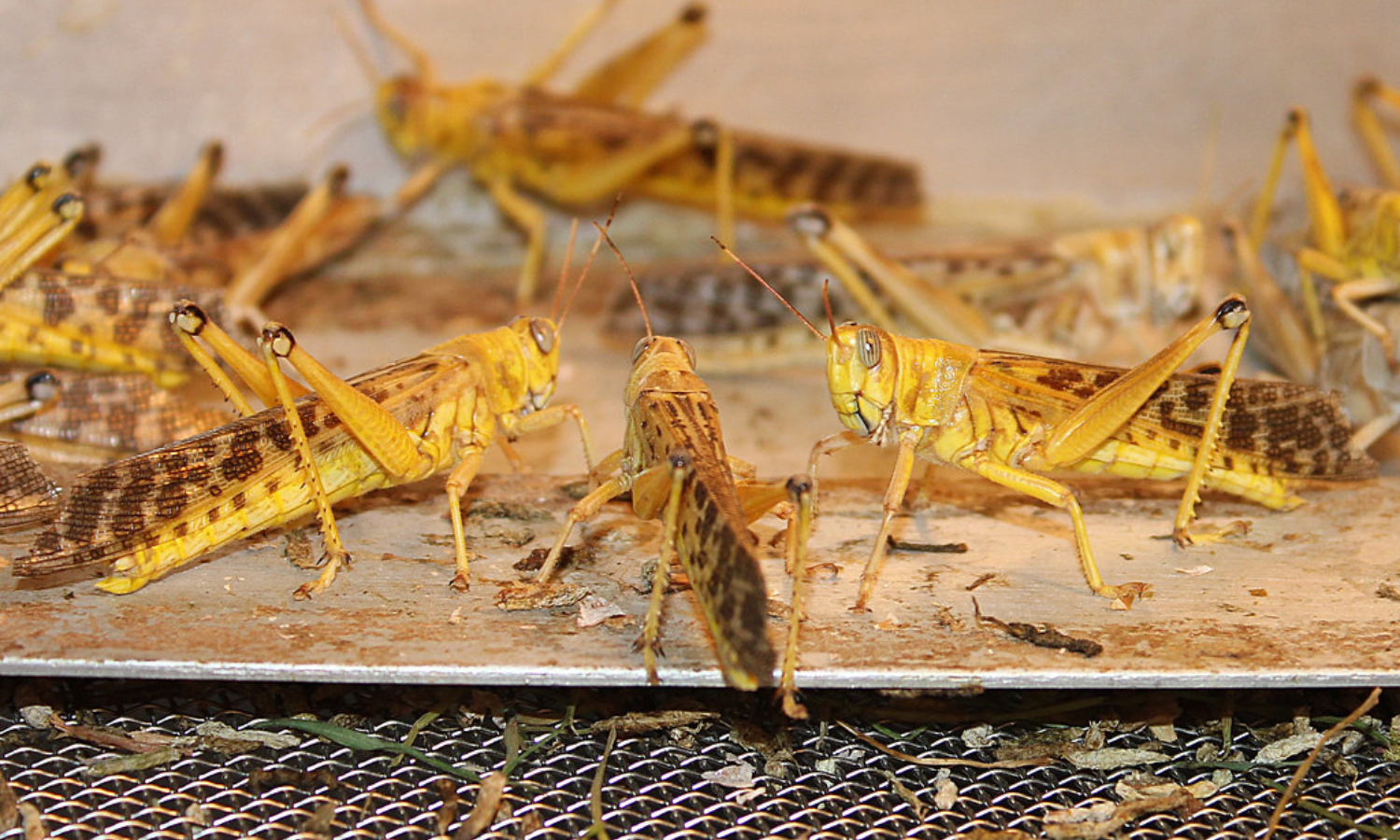
At the International Centre of Insect Physiology and Ecology, scientists are developing insect-based fertilizers and biopesticides that can improve soil health, reduce dependence on expensive imported agricultural inputs, and help farmers build more resilient agriculture systems.
“The residue that remains behind is an excellent source of organic fertilizer,” Dennis Beesigamukama, a postdoctoral fellow at icipe, tells Food Tank.
The process, he explains, begins with black soldier flies. Researchers feed the insects organic waste, which the larvae convert into protein that can be used in animal feed. What’s left behind is a nutrient-rich organic fertilizer known as frass.
According to icipe, insect-derived fertilizers contain three to nine times more nitrogen, phosphorus, and potassium than many conventional organic fertilizers. And they have the potential to increase crop yields by as much as 27 percent compared with similar organic alternatives.
The organization is also developing biological alternatives to synthetic pesticides. Researchers have identified naturally occurring bacteria, fungi, and viruses that target insect pests without harming crops. Several of these biopesticides are already registered for use across Africa, with commercialization underway in Europe, North America, and Asia.
These inputs are designed to become part of integrated pest management systems, helping farmers reduce their dependence on agrochemicals and protect biodiversity.
Beesigamukama says the benefits extend far beyond pest management. Insect-based fertilizers improve soil water retention and support carbon sequestration, making them what he describes as “climate smart” inputs.
The need for alternatives is becoming increasingly urgent. According to the U.N. Food and Agriculture Organization, the overuse and misuse of artificial fertilizers and pesticides contributes to soil degradation, water and air pollution, and human health problems.
At the same time, African farmers remain heavily dependent on imported fertilizers. The International Food Policy Research Institute estimates that roughly 80 percent of fertilizer used across the continent is imported, leaving producers vulnerable to supply chain disruptions and volatile global markets. The World Bank reports that fertilizer prices climbed sharply this year, reaching their highest levels since 2022.
“Insect-based fertilizers, produced from locally available organic waste, create a more resilient and self-sufficient system,” says Beesigamukama.
icipe believes insect-derived agricultural inputs can help farmers reduce costs while strengthening local production capacity. Because they rely on resources that are already available within communities, Beesigamukama says they are “one of the most decentralized and scalable technologies” available to support more resilient food systems across Africa.
For researchers at icipe, insects are more than just bugs. They can be practical tools for helping farmers improve soil health, reduce dependence on imported inputs, and build food systems that are better equipped to withstand economic and climate shocks.
And for farmers facing rising input costs and increasingly unpredictable growing conditions, these insect-based solutions could offer a locally produced, lower-cost alternative that strengthens both livelihoods and ecosystems.
Articles like the one you just read are made possible through the generosity of Food Tank members. Can we please count on you to be part of our growing movement? Become a member today by clicking here.
Photo courtesy of icipe