In his latest book Abiding Hunger: An American Paradox, author and journalist Roger Thurow asks why hunger persists in the world’s wealthiest country.
“Throughout our history, we’ve abided hunger,” Thurow tells Food Tank. “It’s essentially become part of our national fabric, our national character. We’ve accepted it. We tolerate it. We’ve grown comfortable with it. It’s a stain on our collective conscience.”
The book had been on Thurow’s mind for years. As a foreign correspondent, he spent decades reporting on hunger and famine around the world. But he knew he wanted to report on what was happening at home, in a country that instinctively sweeps the crisis aside.
The United States “deploys the most efficient commercial agriculture system and the most productive farms and farmers the world has ever known,” Thurow writes. Yet the U.S. Department of Agriculture (USDA) reports that nearly 48 million people live in food insecure households. And many of the counties facing the highest levels of hunger lie in regions with the richest soils.
Abiding Hunger explores how this came to be, going back to the starvation endured in colonial Jamestown. From there it looks at how hunger was allowed to persist, from the weaponization of food during the genocide of Indigenous communities to the effects of systemic discrimination Black farmers have faced from the USDA.
The second half of the book brings readers closer to the present, exploring the repercussions of COVID-19. Thurow then turns to the impacts of the Trump-Vance Administration’s policies and funding cuts, which have deepened the country’s hunger crisis.
“You can draw a line through all this history through [Hurricane] Katrina, through COVID, through today and see how our history of injustice, inequality, inequity bears today and manifests in this abiding hunger that we have in America,” Thurow tells Food Tank.
Today, lines at food pantries are already longer than ever as millions of families grapple with the recent loss of nutrition assistance benefits. And Thurow worries this is just the beginning.
He argues that this reality should inspire horror, but it should also spur action. And as the midterm elections approach, he sees an opportunity. “It should be that every person who cares about this—and hopefully that’s all of us—doesn’t allow any encounter with a candidate to end without somebody asking: What are you doing about this hunger issue in this country?”
Listen to the full conversation with Roger Thurow on “Food Talk with Dani Nierenberg” to hear about the smallholder farmers that bear the brunt of this crisis, the politicization of these issues, and the small family farmers giving him hope.
Articles like the one you just read are made possible through the generosity of Food Tank members. Can we please count on you to be part of our growing movement? Become a member today by clicking here.
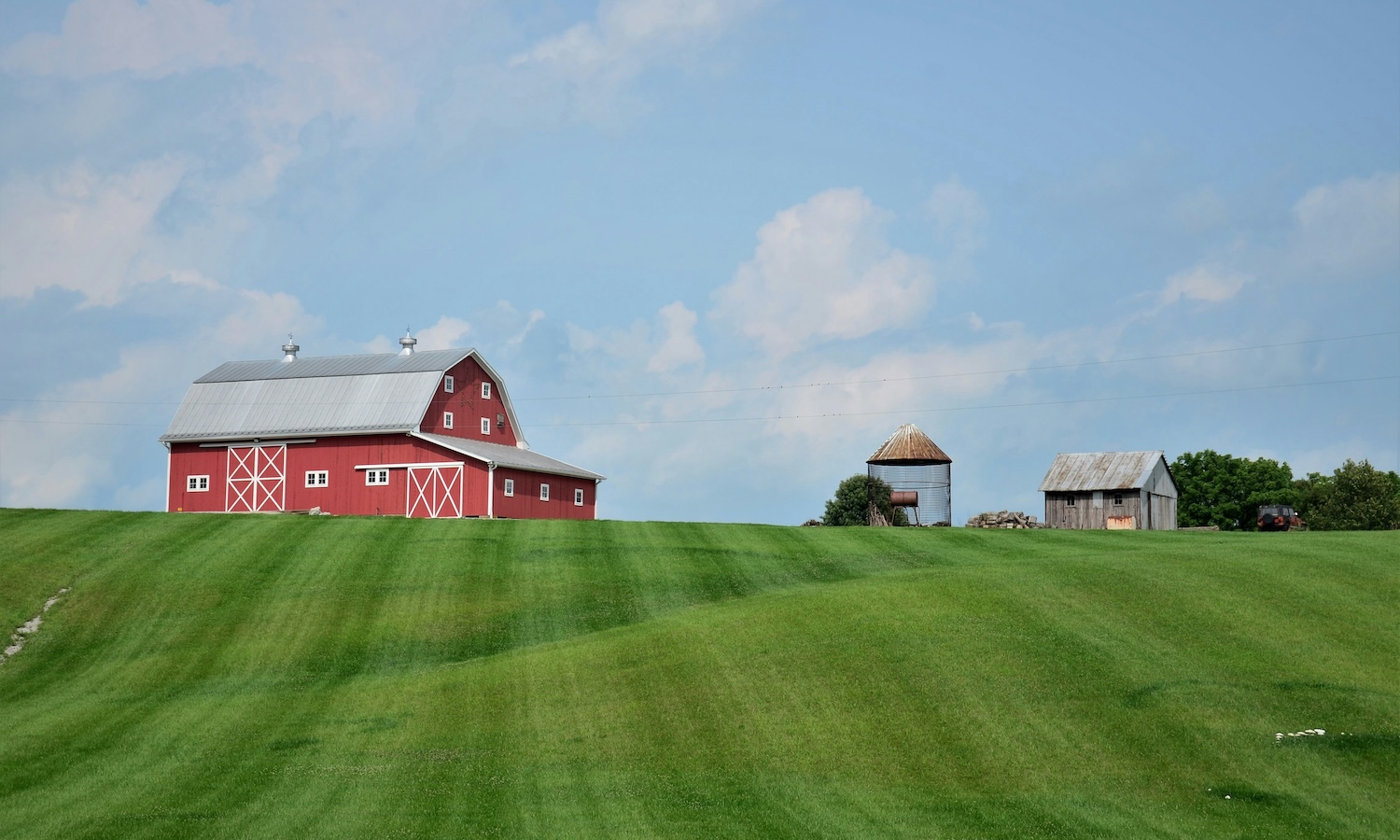
Photo courtesy of Roger Starnes Sr, Unsplash