


Telling stories of food means telling stories of people.
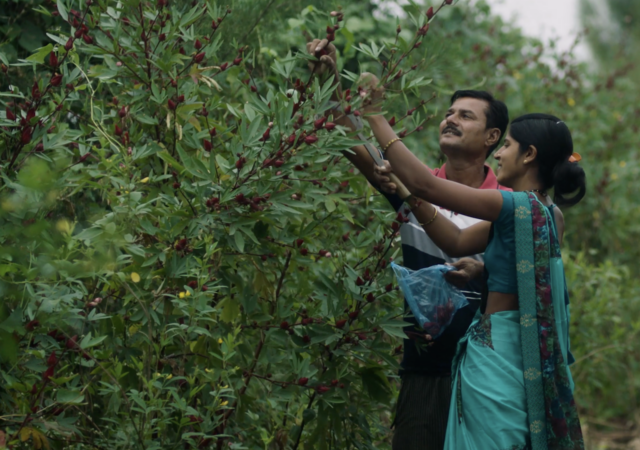
Food 2050 Visionaries: Cultivating Prosperity in India
An award-winning, farmer-first model from India’s Araku Valley shows how profit, soil health, and food quality can grow together.
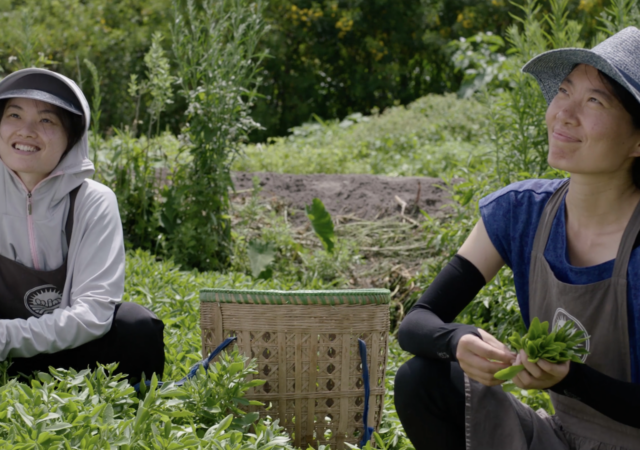
Food 2050 Visionaries: Reimagining Diets in Dali
Mama’s Kitchen is helping Chinese communities rediscover healthy, sustainable food through plant-forward meals, hands-on farming, and kitchens that inspire change.

From 2026 To 2050 And Beyond, These 10 Visionaries Are Changing The World Through Food
The top 10 Food System Visionaries are dreaming of a world that’s more abundant and delicious—and they’re proving that it’s possible.
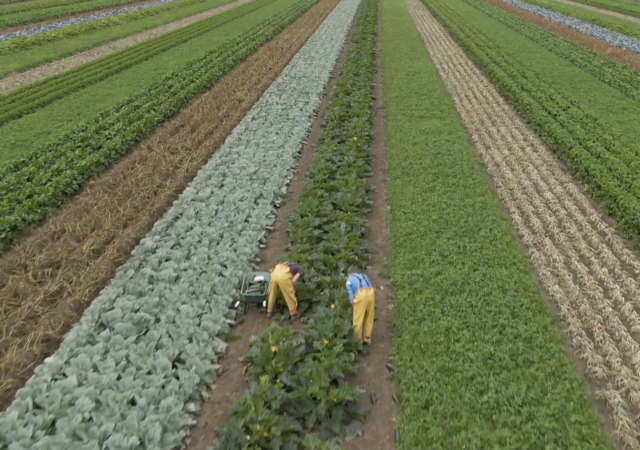
Food 2050 Visionaries: Rethinking the Roots of Agriculture in The Netherlands
Efficiency has come at the expense of human and animal welfare. What if Dutch farmers and researchers can develop circular food systems that work with natural processes?

Exploring Solutions for a Hotter, Hungrier World at Climate Week
Chefs, AI experts, philanthropies, and food advocates are uniting to explore food systems resilience at Climate Week NYC.

Let’s Make 2024 the Year of Food is Medicine!
Successful food is medicine programs must be based in meaningful partnerships, building bridges across sectors, and centering community expertise.
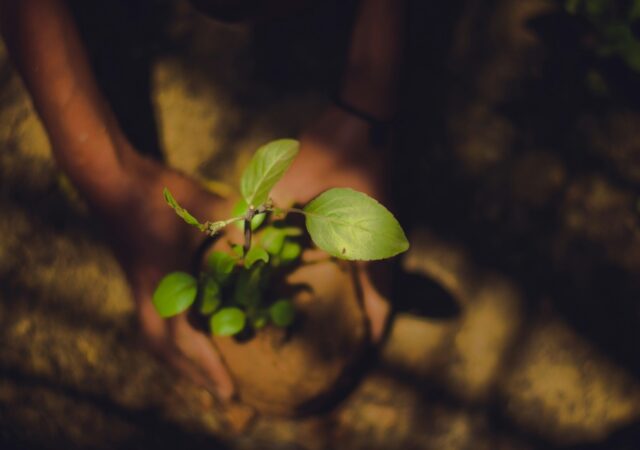
Making Big Bets for a More Resilient Future
“People are yearning for a message that is grounded in the idea that we can still do big things together,” says Rajiv Shah.
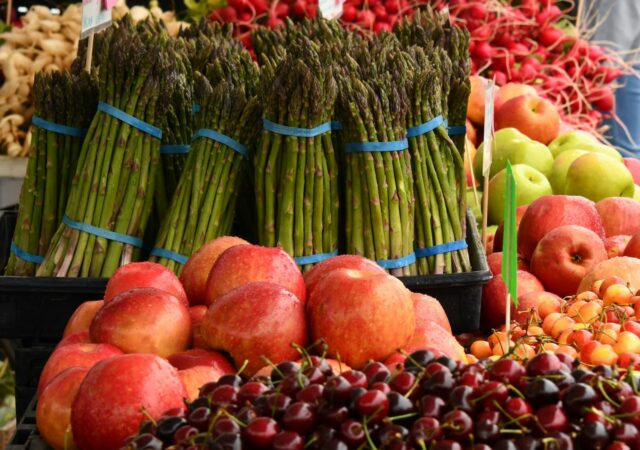
The Periodic Table of Food Initiative: Illuminating the Mysteries of What We Eat
Through the Periodic Table of Food Initiative researchers are working to understand the 26,000 biomolecules in our food.
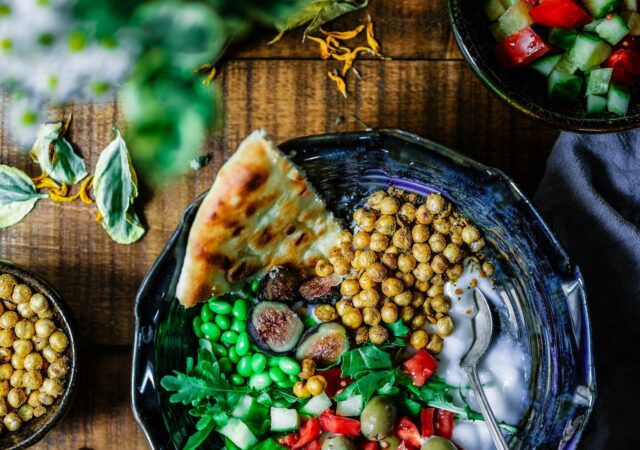
The Rockefeller Foundation and HHS Look to Accelerate the Adoption of Food is Medicine
The Rockefeller Foundation is committing an additional US$80 million to Food is Medicine programs.
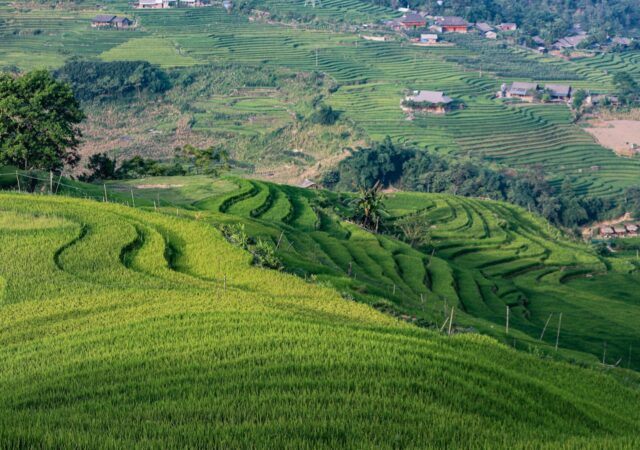
Op-Ed | Diving into the Deep End of Regenerative Agriculture
Philanthropy can help tilt the incentives needed to usher in a regenerative and agroecological transition centering farmers and landscape stewards.
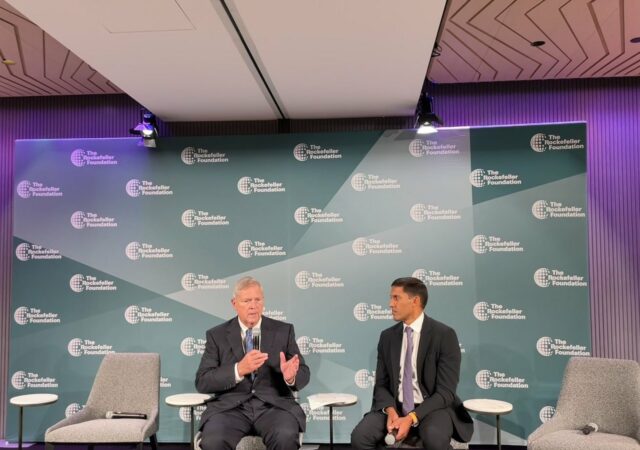
Raising the Ambition on Food Systems Transformation
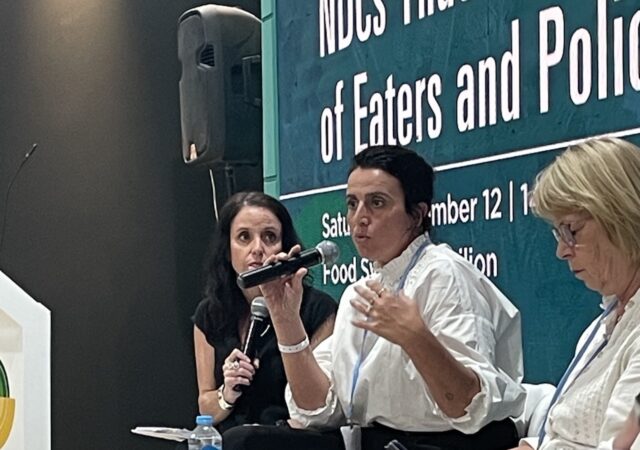
During Pre-COP Food Day @ UNGA, food systems leaders gathered to raise the ambition on food systems transformation by amplifying and accelerating implementation across all levels.
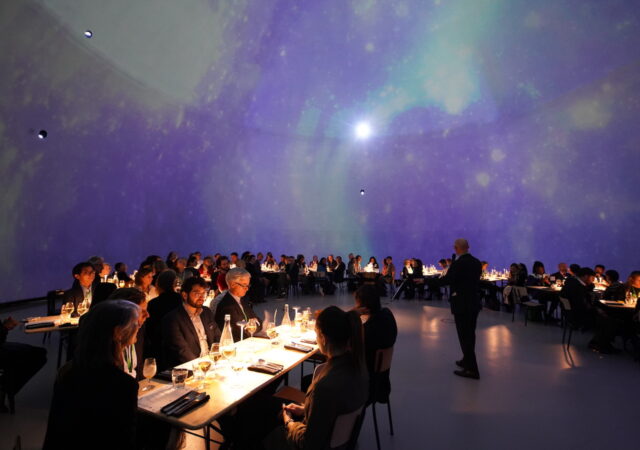
Eating for Change: WWF and Partners Host Gatherings in Support of Food Systems Collaborations at UN Climate COP27, Egypt & Biodiversity COP15, Canada
Taking place during global conferences, the Eat4Change dinners encourage stakeholder collaboration and dialogue.
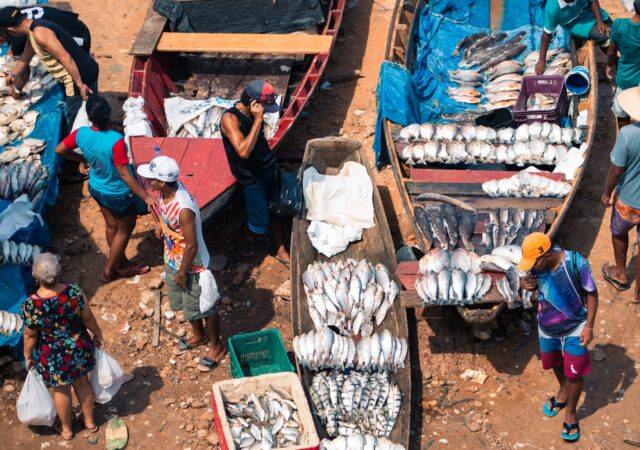
Using Storytelling in Film to Re-Attach Ourselves to Our Food Systems
Films focused on food systems can help tell us specific ways we can make an impact with the information we’re learning and the stories we’re hearing.
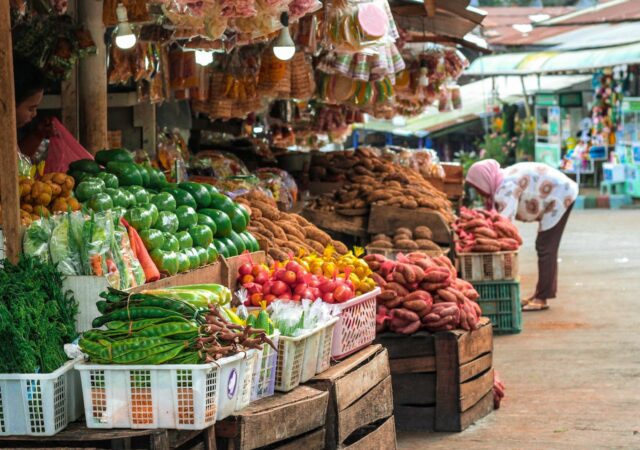
COP27 Is Over—What Just Happened?
There is a lot of work to do. There’s also time to take a moment and be grateful for the inspiring folks who came together at COP27 to spark important discussions about the role of agriculture and food in the climate crisis.
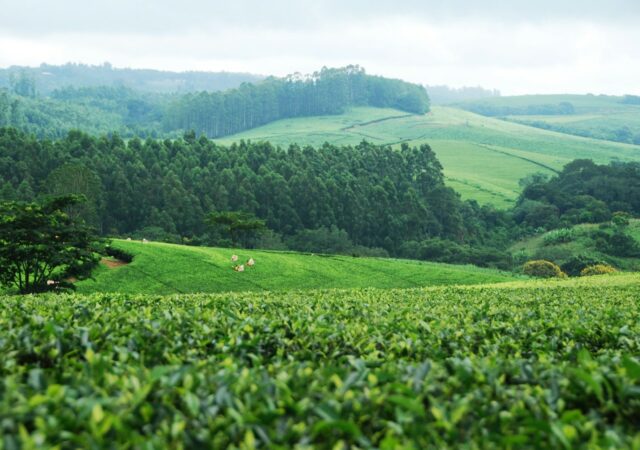
Dispatch from the U.N. Climate Change Conference: Friday, Nov. 18
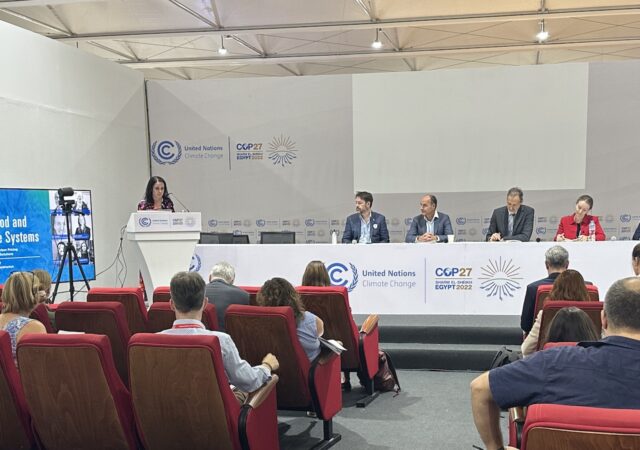
At COP27, speakers embrace the nuance involved in building a more sustainable and equitable food system. There is no one solution.
Dispatch from the U.N. Climate Change Conference: Thursday, Nov. 17
At COP27, conversations continued around food waste, the biodiversity loss crisis, and the role of the alternative meat sector.
Dispatch from the U.N. Climate Change Conference: Monday, Nov. 14
“We are paying for the food system. We are paying for it in the form of diabetes treatment. We are paying for it in biodiversity loss,” says Sara Farley of The Rockefeller Foundation.
Inserting Food and Agriculture into Climate Action Plans
Incorporating food and agriculture systems into the Nationally Determined Contributions provide governments the chance to address their importance before another crisis hits.
Food Systems Leaders Call for Recognition of the True Value of Food
“I don’t think we value the food enough,” says Zitouni Ould-Dada, Deputy Director in the Climate and Environment Division at the FAO. “We don’t value the soil enough. We don’t value the ecosystems in general enough.”