

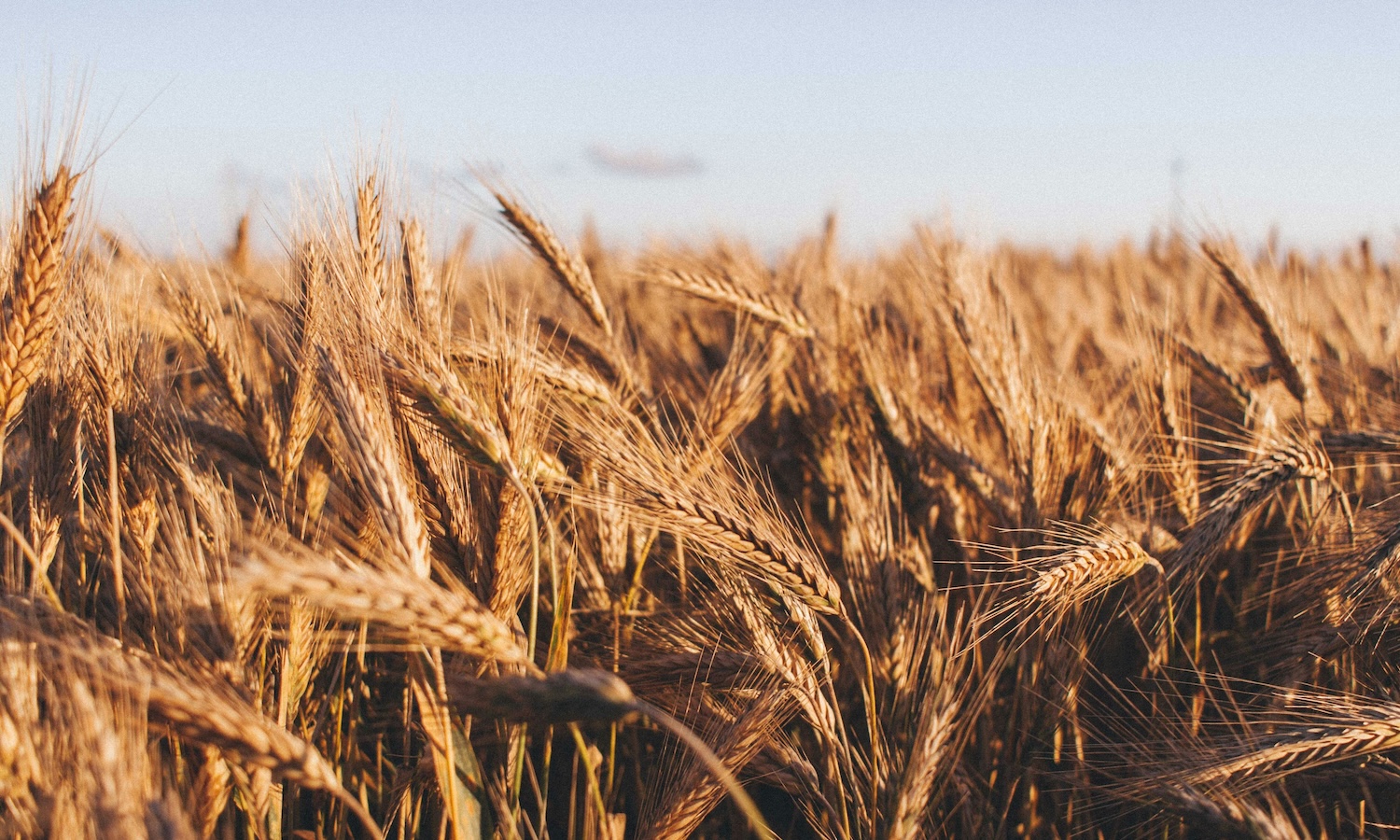
For decades, genetically engineered wheat has been kept off American fields—because farmers, consumers, and trading partners alike recognize the serious risks it poses. Today, that long-standing consensus is at risk of unraveling.
The U.S. government recently approved a genetically engineered wheat called HB4 to be grown and sold for human consumption. This marks a troubling turning point for our food system. HB4 is engineered to tolerate glufosinate, a highly hazardous herbicide. Glufosinate is banned in the European Union because it’s toxic to reproduction. Research links it to premature birth, miscarriage, stillbirth, and birth defects in offspring. According to data from the U.S. Environmental Protection Agency, glufosinate is significantly more chronically toxic than glyphosate, another herbicide that’s been the focus of public outcry.
Because it goes together with glufosinate, this genetically modified organism, or GMO, wheat could lead to increased residues of this toxic chemical in common foods like bread, pasta, and cereals.
A new report from Friends of the Earth makes clear that GMO wheat offers high risks, no clear benefits, and moves us further away from the safe, healthy, regenerative food system we urgently need. Along with harm to human health, glufosinate can harm soil organisms, pollinators, and aquatic life—undermining the very ecological foundations of agriculture.
HB4 wheat is not innovation, it is a repetition of a well-documented failure—the chemical-dependent model introduced with Monsanto’s glyphosate-tolerant Roundup Ready crops in the 1990s. Those GMO crops drove massive increases in herbicide use, spawned herbicide-resistant superweeds, and trapped farmers on a costly pesticide treadmill. Glufosinate-tolerant crops like corn and soy are already following the same path.
HB4 wheat would extend this failed, toxic system to one of the world’s most important staple foods—deepening chemical dependence, increasing costs for farmers, and compounding environmental damage, while delivering no proven public benefit.
The implications for farmers are especially serious. Wheat is the third most widely-grown crop in the United States, and about 44 percent of U.S. wheat is exported—representing billions of dollars in farm income. Yet major trading partners, including Mexico, Japan, and the Philippines, do not accept genetically engineered wheat.
Even limited commercialization of HB4 could jeopardize export markets and disrupt supply chains. This is not a hypothetical concern. Past incidents involving unapproved GMO crop contamination triggered import suspensions and cost U.S. farmers millions of dollars.
Because wheat systems are highly interconnected, farmers who choose not to plant GMO wheat could still be harmed by genetic contamination and commingling. Once again, farmers would shoulder the risks of a technology that primarily benefits seed and chemical corporations.
Despite these risks, HB4 was approved through a deeply flawed regulatory process. Regulators did not require independent research, accepting voluntary data from the manufacturer to conclude the wheat is “safe.” Nor did agencies require a thorough assessment of cumulative health, environmental, or economic impacts. This approach places corporate assurances above precaution—and leaves the public to bear the consequences.
Even the central marketing claim behind HB4—that it offers drought tolerance—doesn’t hold up to scrutiny. Independent evidence demonstrating superior performance under drought conditions is lacking. Analyses of available data suggest HB4 may yield less than conventional wheat, even in dry years. Drought tolerance is a complex trait shaped by soil health, crop diversity, and management practices—not a single engineered gene.
If we are serious about climate resilience, doubling down on chemical-intensive agriculture is the wrong path. True climate solutions already exist, and they don’t require toxic trade-offs. Agroecological approaches—such as organic farming, diversified crop rotations, cover cropping, and regionally adapted plant breeding—have been shown to improve soil health, increase water retention, reduce input costs, and strengthen farm resilience in the face of climate extremes.
Organic agriculture, which prohibits GMOs and more than 900 synthetic pesticides, offers a powerful example of how we can produce food while protecting biodiversity, public health, and farmer livelihoods. These systems build resilience from the ground up, rather than relying on chemical crutches that ultimately fail.
The approval of GMO wheat threatens to lock us into a past we should be moving beyond. Instead of repeating the mistakes of the last 30 years, we have an opportunity to invest in solutions that truly serve farmers, consumers, and the planet.
Friends of the Earth is calling on food companies, policymakers, and consumers to reject HB4 genetically engineered wheat—now, before it is grown at commercial scale in the U.S. Our food system cannot afford another costly experiment in chemical dependence. We need courage to choose a different path—one rooted in science and care for our health, our planet, and the communities that feed us.
Articles like the one you just read are made possible through the generosity of Food Tank members. Can we please count on you to be part of our growing movement? Become a member today by clicking here.
Photo courtesy of Tomasz Filipek, Unsplash