
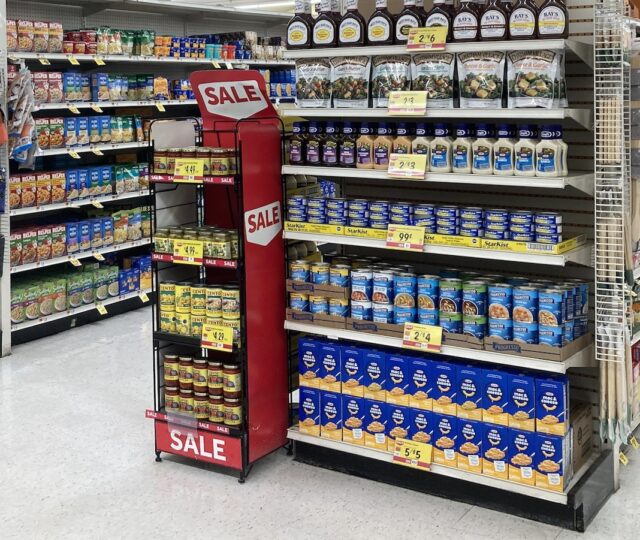


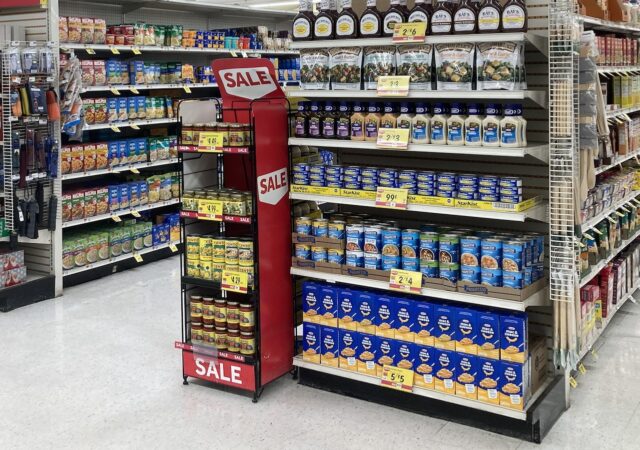
Can publicly-supported grocery stores solve the food affordability crisis?
Podcast

‘Abiding Hunger’ Examines the Paradox of Food Insecurity in America
Roger Thurow’s new book calls hunger in America “a stain on our collective conscience.”

‘Eat to Hustle’ Makes Plant-Based Eating Practical, Joyful, and Accessible
Robin Arzón’s latest book “Eat to Hustle” offers 75 high-protein recipes while challenging myths about plant-based eating.

Why Climate Resilience Is Worth the Investment
Ignoring climate solutions now comes at a far greater cost down the road.
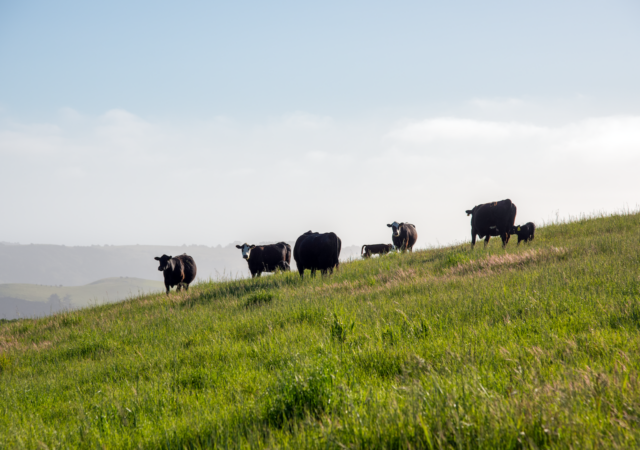
TomKat Ranch Educational Foundation Wants to Build a Food System Grounded in Resilience
This living lab wants to show that farmers can thrive when they transition to regenerative practices.

Want Better Food Systems? Let’s Make Friends With Insects
Black soldier flies can be a small but mighty partner in the work to transform food and agriculture systems.

School Meals Nourish Communities Beyond the Classroom
School meal programs can do much more than address hunger—they can transform agriculture, strengthen local economies, and improve children’s futures.

After USAID, Who Will Fill the Agricultural Research Gap?
“I’m confident that we are seeing somewhat of a shift in the traditional donor support in the development arena that could have long-lasting positive impacts.”
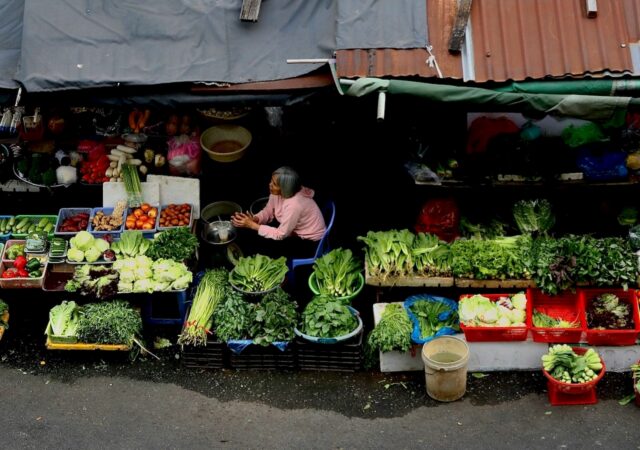
Global Hunger Falls for Third Straight Year, But Zero Hunger by 2030 Remains Out of Reach
The world is making progress against hunger, but a healthy diet remains too expensive for nearly one-third of the population.
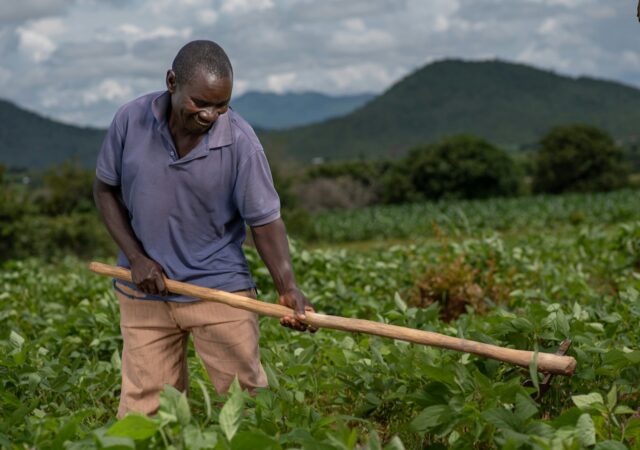
Investing in Resilience Will Help Farmers Weather the Super El Niño
As El Niño threatens to bring more extreme weather, IFAD says investing in resilience can help farmers adapt before disasters deepen.
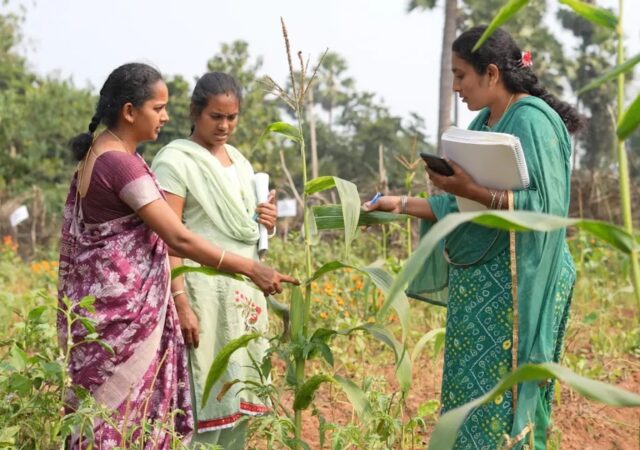
‘Simple But Profound’: Natural Farming Is Changing the Lives of Millions in India
Andhra Pradesh Community Managed Natural Farming received the 2026 Food Planet Prize for leading one of the world’s largest agroecology programs.
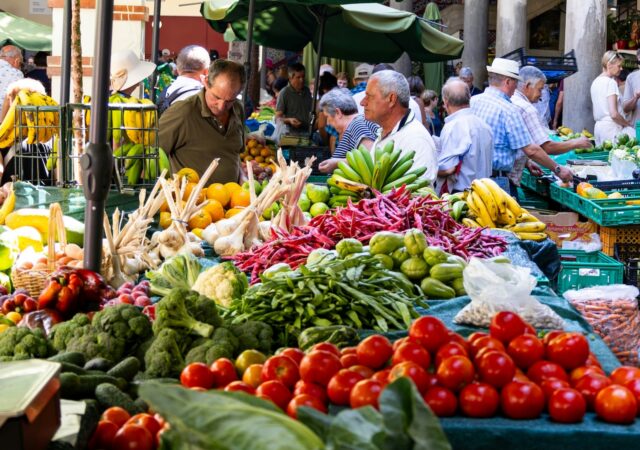
When Federal Leadership Falls Short, Cities Can Lead the Way
“There’s this backtracking on the wealth of information we know about systems approaches,” says food systems expert Jessica Fanzo.
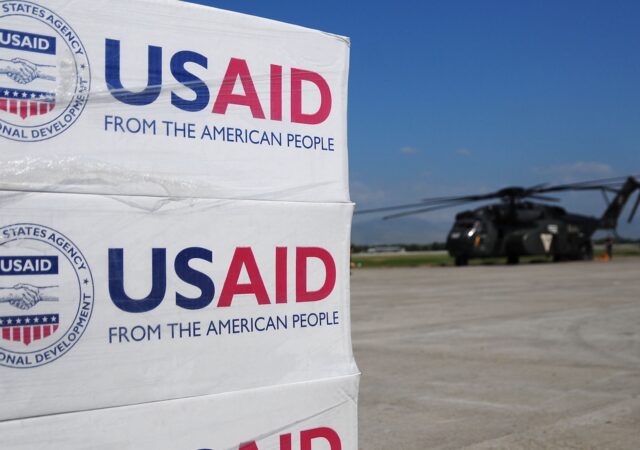
Hunger Rises as the Consequences of Dismantling USAID Deepen
There’s “no question that food insecurity has risen,” says Patrick Webb of Tufts University.
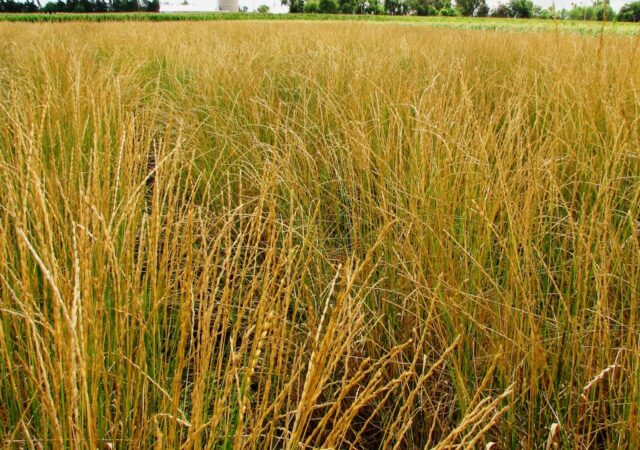
The Business Case for Regenerative Grows
Patagonia Provisions is betting on regenerative food, proving products can support the planet while succeeding in the marketplace.
In Monterey County, this Farm Is Building a Path to a Regenerative Food Future
This California-based organization wants to create “a living classroom for regenerative agriculture” where young people can discover a different, more hopeful food future.
In Colorado Springs, Food to Power Builds Resilience from the Ground Up
Even as nonprofits face challenging and uncertain times, Food to Power is doubling down on serving its community.
What Really Happened to USAID? A Former Civil Servant Tells All
A new book by former civil servant Nicholas Enrich offers an insider’s account of the dismantling of the U.S. Agency for International Development.

What Do GLP-1s Mean for Food Waste?
GLP-1s are changing how people eat. Now is the moment for hotels, restaurants, and grocery stores to adapt as we work to waste less food.
In Kenya, Better Information Helps Farmers Manage Risk
Farming is risky, especially in countries like Kenya that are dependent on rainfall. In the face of uncertainty, researchers are helping producers make the best decisions they can.
What the House Farm Bill Means for SNAP, Pesticides, and U.S. Food Policy
The U.S. hasn’t seen a new Farm Bill since 2018, but is the Farm, Food, and National Security Act of 2026 taking the country’s food and agriculture systems in the right direction?