Recent research out of Universidad Intercultural Maya suggests that food systems sustainability requires the integration of Indigenous knowledge bases. The authors argue that agroecology and regenerative agriculture can only succeed when paired with intercultural knowledge co-creation.
“Interculturality is the result of a process in which different ways of knowing interact in a safe space, allowing condition for co-creation of new knowledge, knowledge that reflects the different cosmovisions from each of the cultures participating in the process,” lead author of the publication, Dr. Francisco Rosado-May of Universidad Intercultural Maya tells Food Tank.
To increase the probability of long-term success of food systems transformation, the researchers worked to uncover Indigenous perceptions on food systems to move toward a process of intercultural knowledge co-creation.
“Indigenous Peoples do have the notion of the concept of food systems, but have a different take,” Dr. Rosado-May tells Food Tank. While commonly used definitions of “food systems” consider food as a commodity, “Indigenous Peoples consider food as a part of their natural environment,” he says.
According to the study, Yucatec Maya farmers in the Mexican state of Quintana Roo face the same challenges as non-Indigenous farmers worldwide including the climate crisis, loss of biodiversity, poor yields, and loss of soil fertility.
Several state funded programs have been implemented to support producers in Quintana Roo. According to the study, two primary approaches—one based on agroecology and the other on regenerative agriculture—overlook participatory processes. The researchers say these approaches have failed to yield positive agricultural results because they focus on an incomplete understanding of food systems and ignore an Indigenous perspective.
Rosado-May tells Food Tank that Indigenous Peoples’ food systems contain a “diversity of subsystems” including ones that exist outside of a market, and that this definition differs from the formal definition of food systems currently used by the U.N. Food Systems Summit. This shift in understanding how the food system is conceptualized by people in different ways is the key to moving towards food systems transformation.
The research team argues that transforming the food system is not possible when knowledge, in its many forms, is not connected to policy. But through the examination of the Yucatec Maya people’s understanding and management of food systems, they believe they can move toward policy informed by both local knowledge and scientific expertise.
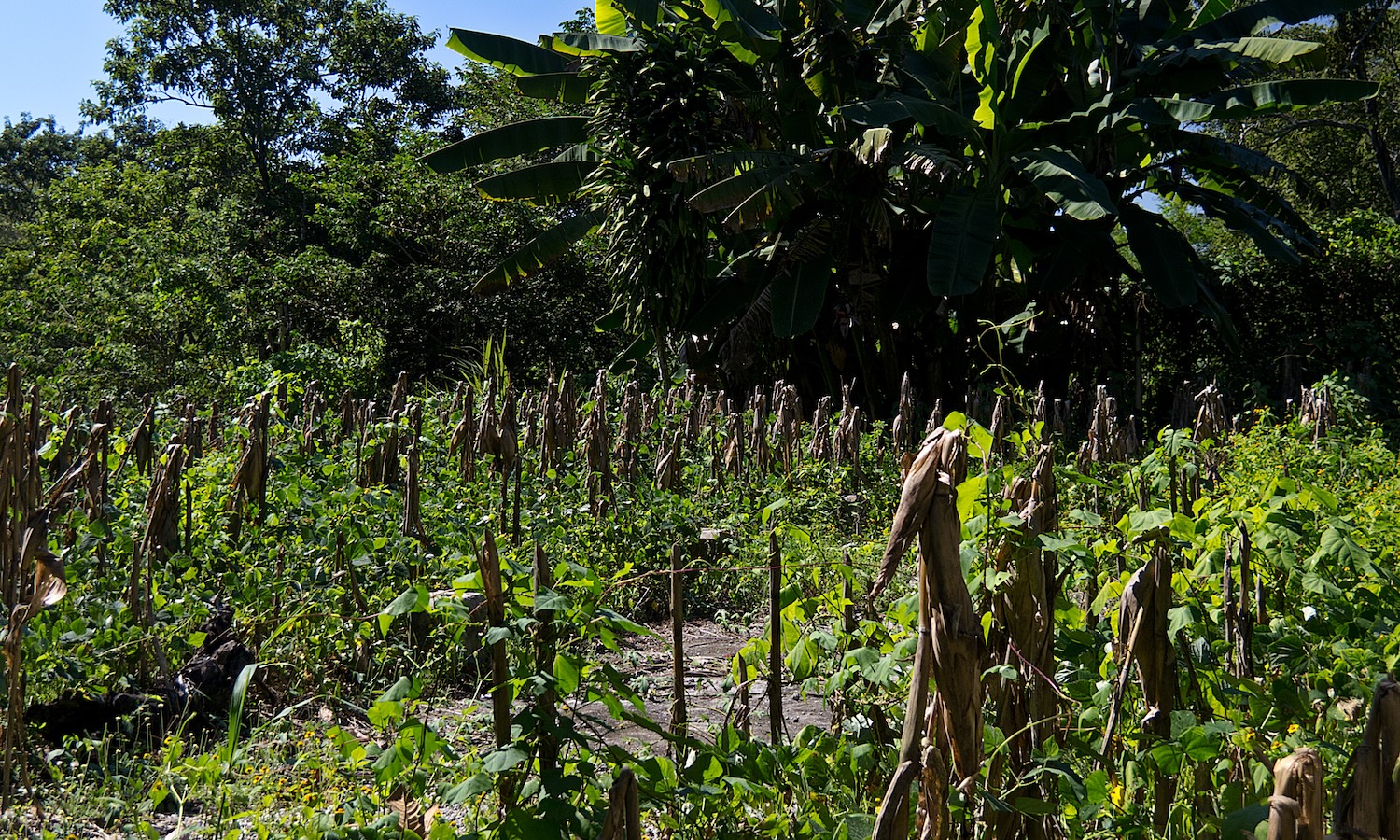
Through conversations with Yucatec Maya knowledge holders, the researchers learned that the Yucatec Maya food system includes several components, many dating back to pre-Hispanic times. These include: several gardens of staple foods, medicinal plants, beekeeping, forest collecting and several subsystems of edible animals. They also learned that the Yucatec Maya’s notion of food systems requires food security, food sufficiency, and food sovereignty.
The authors say that the path forward to transforming food systems requires “different ways of creating knowledge” working together. They believe that this will help shape more holistic-long-term policies and actions to protect and nourish communities while preserving the environment.
Articles like the one you just read are made possible through the generosity of Food Tank members. Can we please count on you to be part of our growing movement? Become a member today by clicking here.
Photo courtesy of Wikimedia