



Frances Moore Lappé discovers why hunger exists across the world: because agribusiness dollars are fueling politics and extracting from the land.
Industrial Agriculture
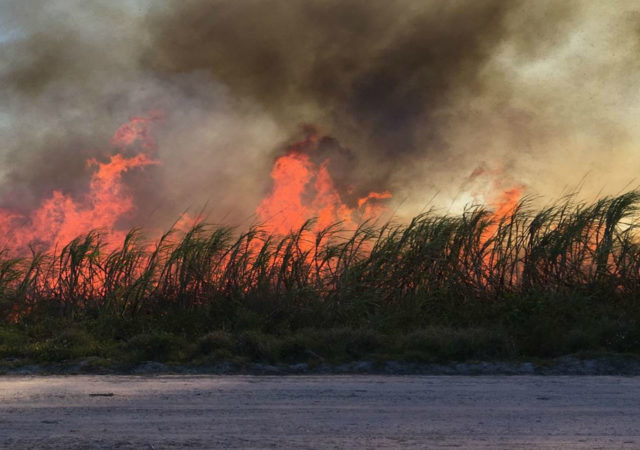
Big Sugar in Florida Faces Lawsuit for Sugar Field Burning
Pre-harvest sugar field burning poses a threat to health and personal belongings, in communities surrounding the Everglades Agricultural Area.
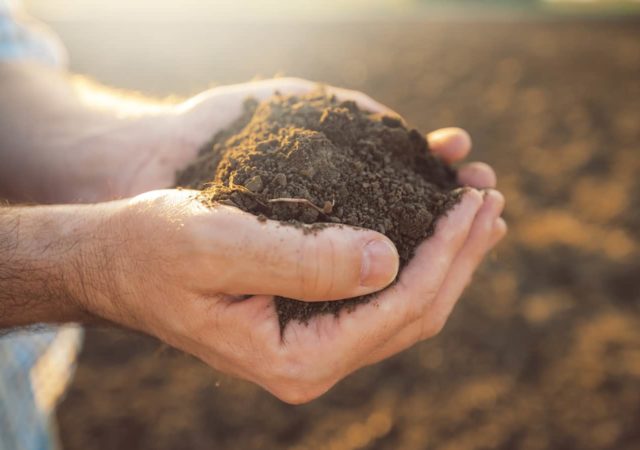
Opinion | Why Talk of Regenerative Agriculture Should Include Pesticide Reduction
Soil carbon sequestration is becoming a topic for farmers and politicians alike—but which conversations will distinguish sustainability from trend?

Brazil’s Uncertain Future: President Jair Bolsonaro on Indigenous Rights, Environmental Conservation, and NGOs
Facing policy reforms which encourage deforestation, the people and resources of the Amazon are at serious risk.
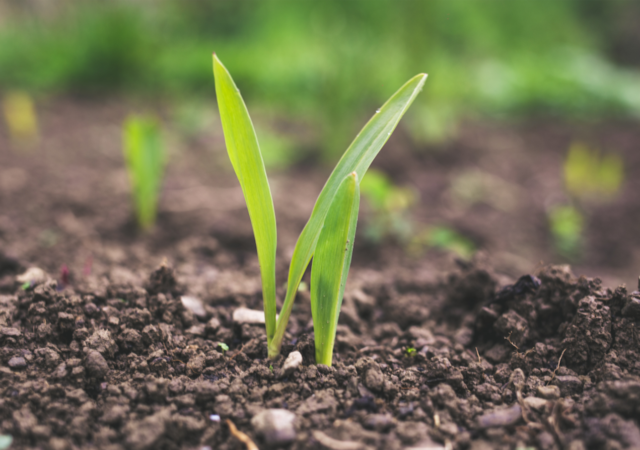
Report: Soil Carbon Sequestration Key to Solving Climate Crisis
U.N. Environment Programme report shows that land-use practices that store carbon could be key in the fight against climate change.
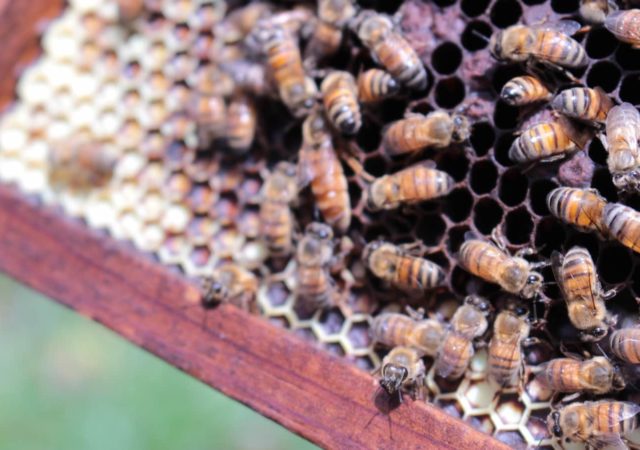
Opinion | New Study Shows Bee-Killing Neonicotinoids Build Up in Environment
According to Henderson, neonicotinoids are a downstream, destructive solution to pest problems—to protect healthier crops, farmers should look upstream.
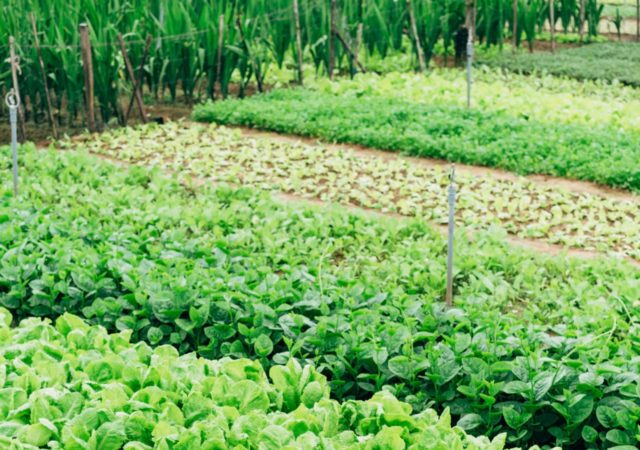
Opinion | Agroecology as Innovation
While financial interests in the current input-intensive systems are responding to growing calls for agroecology with attacks on its efficacy, it is surprising that they are so ill-informed about the scientific innovations agroecology offers to small-scale farmers who are being so poorly served by “green revolution” approaches.
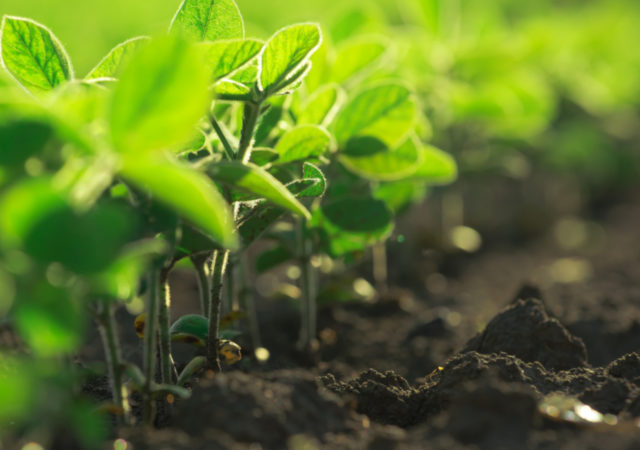
Opinion | How U.S. Agricultural Subsidies Degrade Land and Soil
Agricultural lands are less productive than five years ago, even though global food production has increased. Agricultural subsidies promote practices that degrade soil health by damaging the nutrient rich microbiomes that help crops grow.
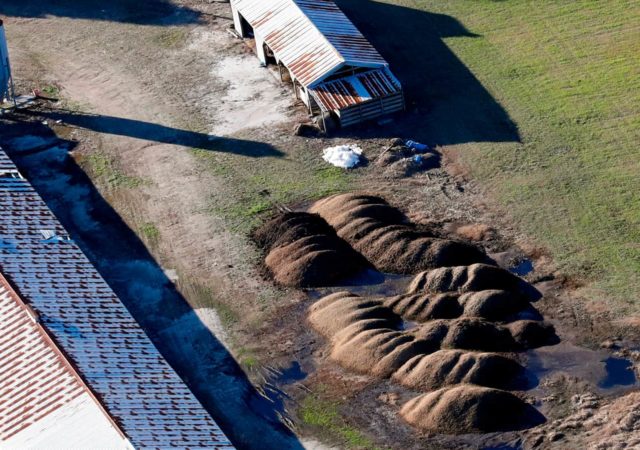
Sounding the Alarm on North Carolina’s Poultry Industry
How poultry waste is the largest and fastest growing source of nutrient pollution in North Carolina, what this means for the environment and communities, and a new study with the Environmental Working Group.
Opinion | The Rise of the Superbugs—and Why Industrial Farming Is to Blame
The power of antibiotics is diminishing. As farmers and agribusiness leaders still rely on antibiotics to keep their livestock healthy, should they be concerned for the future?
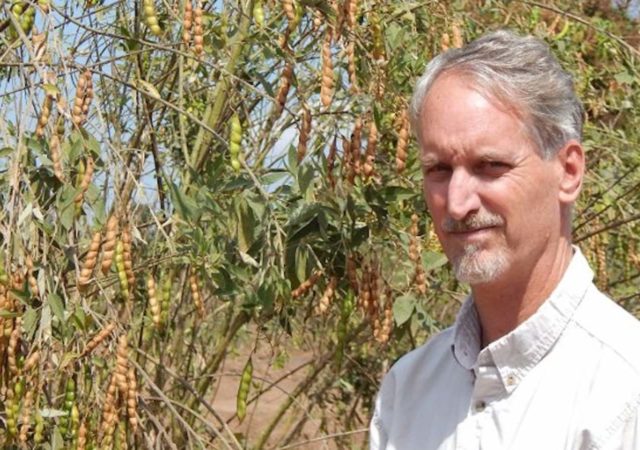
Wise: We Won’t Feed the World By Giving Up on Small-Scale Farmers
Timothy A. Wise describes how agribusinesses highjack policy tables, while governments neglect the small-scale farmers with solutions to feed all.
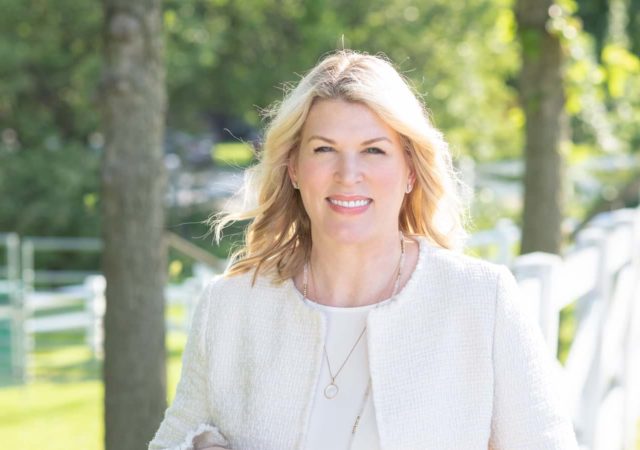
Celebrating A Diversity of Opinions Is Key to Collaboration, Says Erin Fitzgerald
To boost transparency in the agricultural industry, Erin Fitzgerald of the U.S. Farmers and Ranchers Alliance calls upon people to learn more from farmers and the diversity of ways they tend to their land.
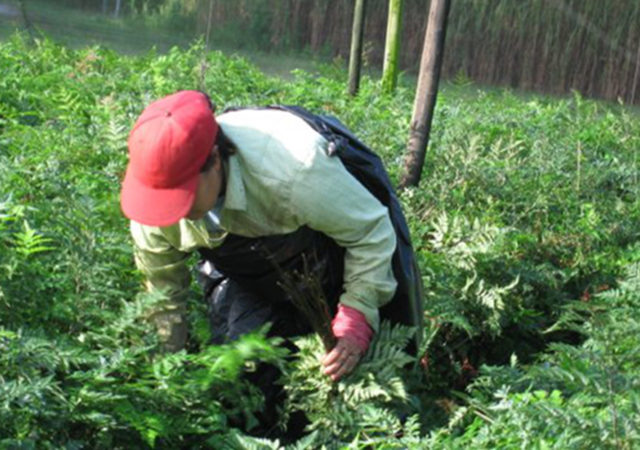
Opinion | Why We Need Organic for All?
Pesticides such as chlorpyrifos are linked to increased neurodevelopmental problems yet little is being done to protect farmworkers from pesticide exposure; which is hundreds of times greater levels of toxic pesticides than consumers’.

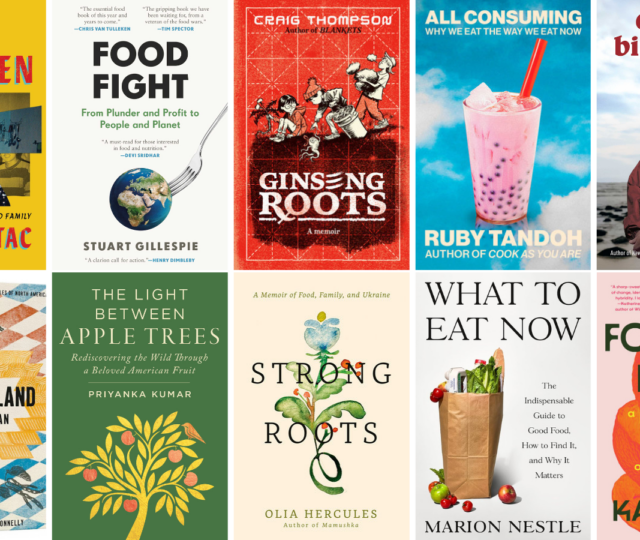
Start National Reading Month With 21 Food and Ag Reads
Food Tank is highlighting 21 books on food, agriculture, and environment to inspire readers of all ages to get in on the National Reading Month celebrations in 2019.
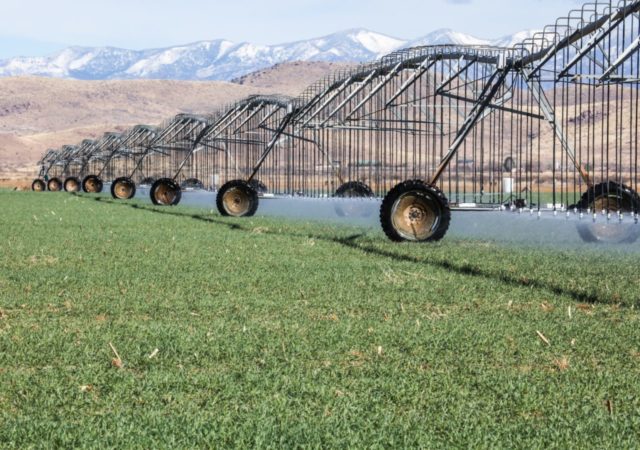
Opinion | Digitization, Technology, and Farming—Who’s Got the Power?
Agriculture has always embraced technology, from ploughs to cell phones. Oliver Moore of Paris-based NGO, ARC 2020, discusses the digitization of agriculture and the power relations between corporates and agroecological farmers.
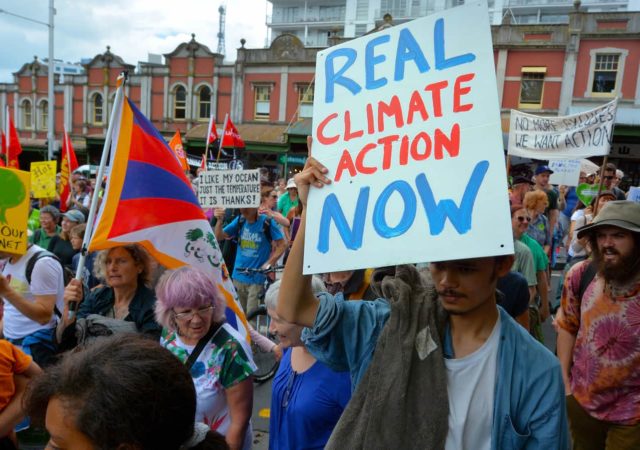
Opinion | Green New Deal Must Transform Our Food System to Save Our Climate
Yet studies show that we cannot avert climate chaos if we don’t support a rapid transition away from large-scale, chemical-intensive food production toward healthier and regenerative agriculture.

Tkach: Farmers Can Produce Healthy People Through Healthy Soil
On Food Talk, Chief Growth Officer Jeff Tkach talks about convincing farmers to transition to regenerative organic agriculture: starting early with mentorship and training programs.
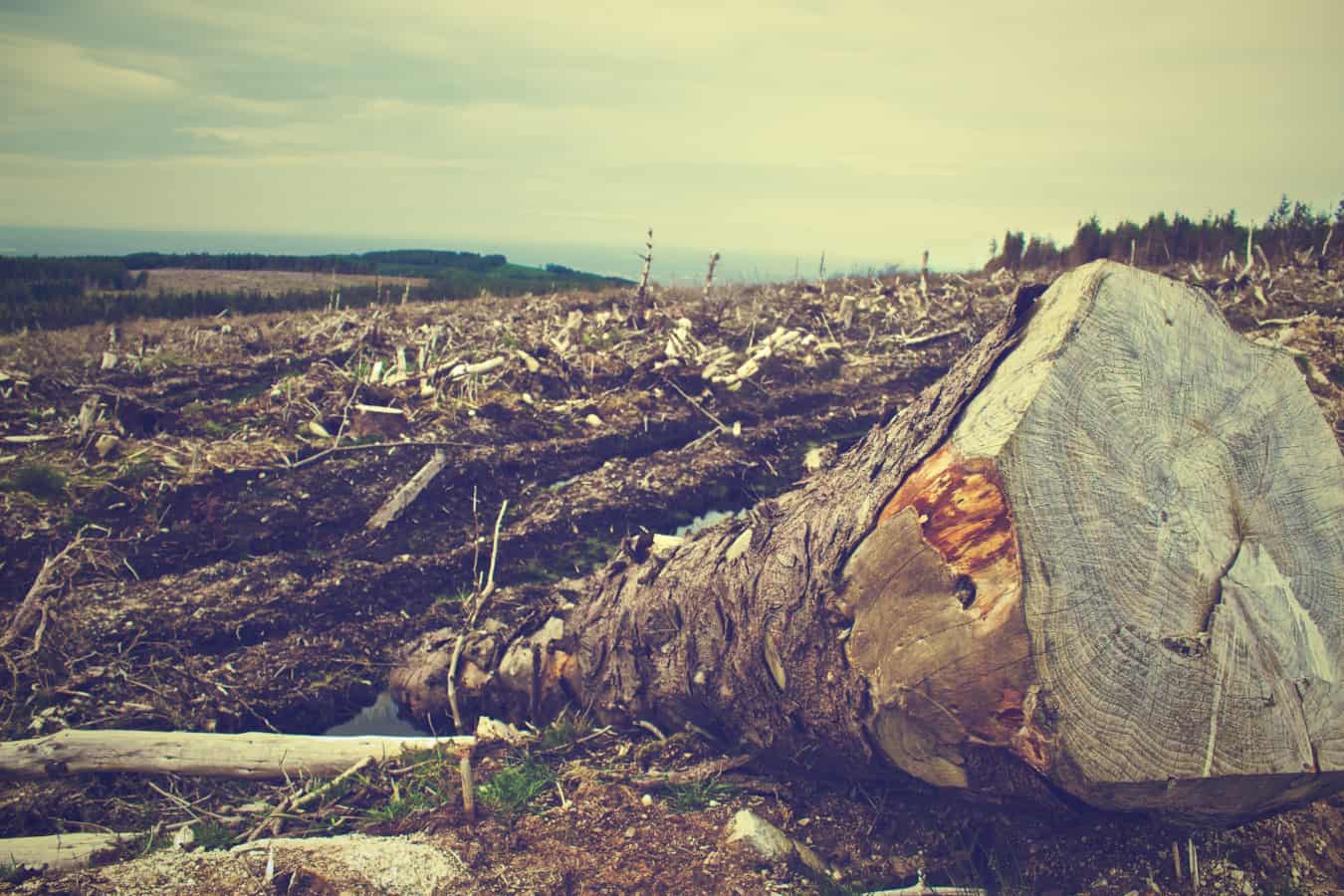
Reckless Soy Expansion Engulfs Tropical Savanna
Nearly three million hectares of natural vegetation in the Cerrado have been stripped for soy production since 2000. Beyond disrupting water systems and threatening the soy business, habitat destruction is destroying life in the most biodiverse tropical savanna region in the world.

Reshaping the Global Food System: “It’s About Leading” for Big Food Companies
On Food Talk, Justin Whitmore of Tyson Foods talks about the company’s ambitious goals for a sustainable, making a better food system for both people and the planet.
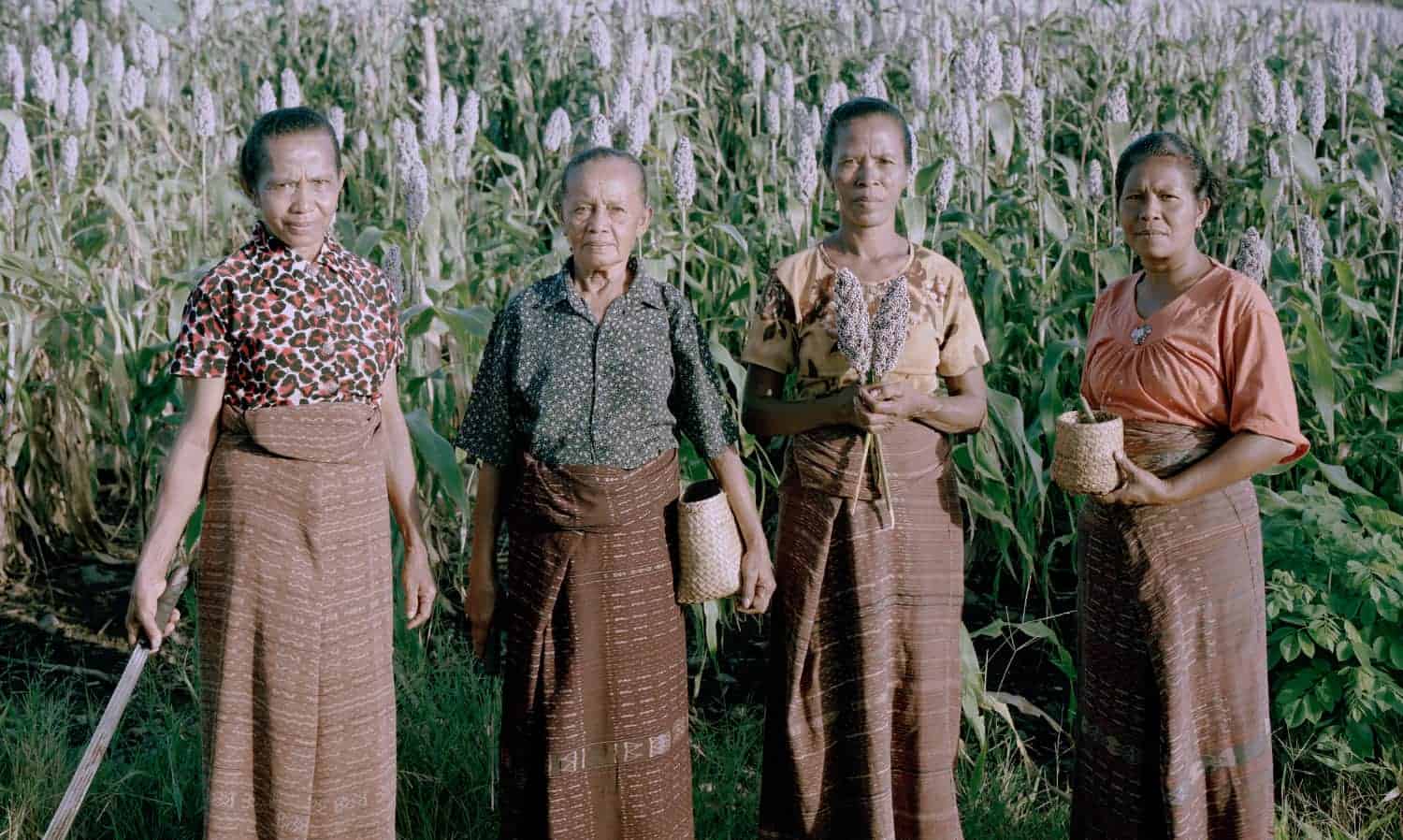
Who Will Feed the Future?
These farmers, photographed by world-renowned photographers, upend the dominant story that industrial agriculture—dependent on synthetic nitrogen fertilizer, pesticides, and drug cocktails in animal operations—is key to feeding a growing world population.