

Experts say the American diet has caused a huge wave of chronic illness. Black, Indigenous, and other marginalized communities experience the worst of it.

Putting Hunger Prevention Back on the Global Agenda
Global hunger is worsening, exacerbated by the COVID-19 pandemic. U.N. FAO Chief Economist Maximo Torero identifies three concerning trends contributing to the crisis.

“Squashing Superbugs” Calls for a Reduction in the Misuse of Antibiotics
Antibiotic resistance is emerging as one of the biggest threats to public health. During a recent event, co-hosted by Food Tank, experts argue there is still time to act.

Squashing Superbugs in the Livestock Industry
The fight against superbugs requires us to reconsider our use of antibiotics in livestock.

Dietary Guidelines for Americans: There Are No Healthy People on an Unhealthy Planet
The Dietary Guidelines for Americans have the potential to better public health and the environment. But in recently released 2020-2025 guidelines do not go far enough.

Meat Alternatives Warrant More Research, Says Johns Hopkins Study
A new review from the Johns Hopkins Center for a Livable Future compares plant-based substitutes and cell-based meats to farmed meat.

Mexican State of Oaxaca Becomes First to Ban Selling Junk Food To Children
With a major obesity epidemic on the rise, the Mexican state of Oaxaca is banning the sale of junk food to children in order to change purchasing habits.

New “Rural Resilience” Course Addresses Mental Health Among Farmers
Created by both the Michigan and Illinois State University Extension Programs, the Rural Resilience curriculum helps participants learn to recognize signs of stress, identify effective coping strategies, respond to suicidal behavior, and connect with appropriate resources.

New on the Podcast: Marion Nestle Discusses Her New Book and the Current State of Food Politics
Marion Nestle’s new book Let’s Ask Marion: What You Need to Know about the Politics of Food, Nutrition, and Health examines a wide range of issues from school lunches, cultured meat, superfoods, and self-medicating with dietary supplements.
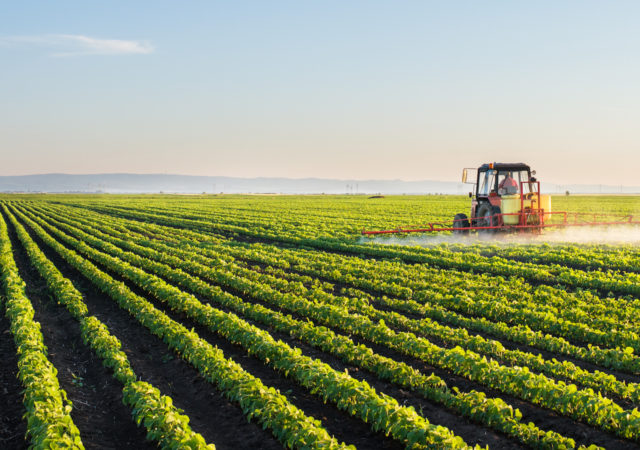
Student Activists Lead Grassroots Movement to Ban Synthetic Herbicides
In response to thousands of claims that its weedkiller Roundup causes cancer, the multinational corporation Bayer announced a new legal settlement. But according to student-led organization Herbicide-Free Campus, Bayer’s proposal falls short of protecting public health.

Scientists Continue the Search for the Source of COVID-19
Scientists are looking for the origin of COVID-19, but have yet to find a definitive source.

Corporate Accountability Report Details Big Business Influence On Nutrition Policy
A recent report from the global campaign Corporate Accountability uncovers conflicts of interest and misrepresented science that influence nutrition standards around the world. The report, “Partnership for an Unhealthy Planet: How Big Business Interferes with Global Health Policy and Science,”…

New on the Podcast: Dr. Felix Kwame Yeboah on Youth-Powered Agricultural Development
Dr. Felix Kwame Yeboah describes his work at the intersection of agricultural development and youth livelihoods in Africa.

Marc Oshima on Innovations in Urban Vertical Farming and Frida Herrera-Endinjok on Nutrition Justice
According to AeroFarms co-founder and CMO Marc Oshima, vertical farming and aeroponics can help slow climate change and support community food security. Later, student activist and master gardener Frida Herrera-Endinjok describes her approach to nutrition justice: building urban gardens and fighting food waste.

Stephen Ritz on Urban Farming And Food Access in The Bronx
Stephen Ritz discuss how his organization is adapting to feed their community.

Feeding America’s Kids During COVID-19
Faced with nation-wide closures in response to COVID-19, school authorities and partners are stepping up to feed the 30 million children depending on school food service each day.

7 Places Where Soda Taxes Are Working
Soda taxes in these seven cities and countries are working, leading to decreased soda sales and sugar consumption since going into effect.

Eat Local, Think Global: Rujuta Diwekar Talks Global Health Research
Rujuta Diwekar’s fitness initiative initially began as an effort to make nutrition accessible for everyday people in India. It’s findings make the case for a culturally relevant, regional approach to global nutrition policy.

Creating Partnerships in Tokyo is Key to Effective Government Food Initiatives
Dr. Naoki Kondo, a social epidemiologist, talks about the Vegi-tabe Life Project implemented for promoting vegetable consumption of Adachi Ward residents in Tokyo, Japan, while emphasizing that creating partnerships is crucial for better results.

Can Behavioral Science Make our Food Choices More Sustainable?
Behavioral scientists want to fill grocery carts, take-away containers, and fridges with sustainable food, without consumers needing to think twice about it.