
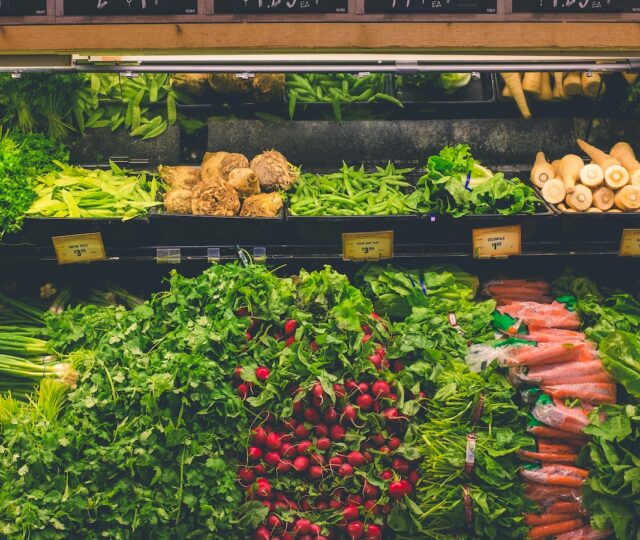


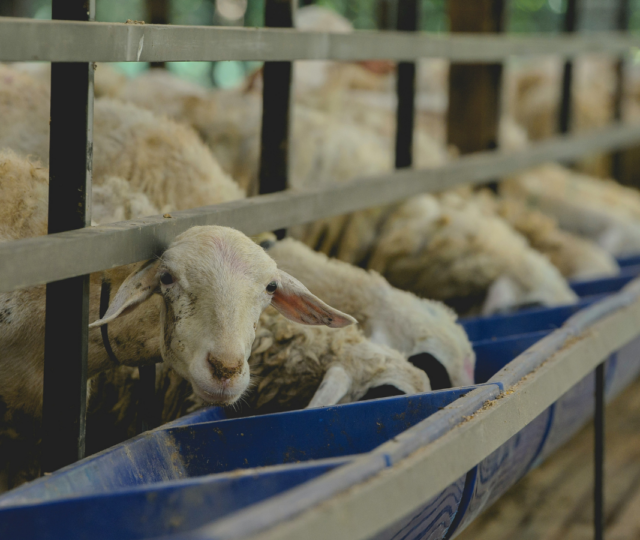


Nick Jacobs, a specialist in agri-food, trade, and development policies, discusses IPES-Food’s recent report, entitled Unravelling the Food-Health Nexus, and how to change the global food system.
Public Health

Sustainable Forests for Food Security and Nutrition
Forests represent far more than natural resources and goods: they are part of human culture, identity, knowledge, and history, and for those who live in and near to them, they are central to their lives.

This Human Rights Attorney Believes Hunger Belongs Only in a Museum
Marcos Ezequiel Filardi founded Buenos Aires’ Museo del Hambre with hope that hunger will one day be found only in a museum.

Counting the Beans: New Tool Measures the True Cost of Food
With WFP’s Counting the Beans tool, users can compare the relative price of the same plate of food in a diverse range of countries around the world.

Tools from Pasta Advisory Council Help Eaters Design Healthy Meals
In response to recent research confirming that very few Americans consume pasta in the healthiest ways, The Barilla Group has released a new portion reference guide to help eaters unlock the health benefits of the Italian staple. When prepared in the right ways, pasta can be a central component of a healthy diet, but American restaurants on average serve portions 480 percent larger than nutritionists recommend.

Accra’s Growing Green Movement
Like many cities throughout the world, Accra has yoga studios, organic produce deliveries, and weekly green markets. But it also has toxic traffic fumes, clogged open drains, and plastic-lined beaches. Sustainable might feel like it’s for the middle class—but environmentalists are trying to change that.

U.S. Law Schools Launch Healthy Food Policy Project to Support Local Policies/Legislation
A team of leading food lawyers and legal scholars in the United States (U.S.) is launching the Healthy Food Policy Project (HFPP), a collaborative initiative working to identify and elevate effective local food laws as examples for advocates in communities across the country. The website features a searchable database of local laws that seek to promote access to healthy food while contributing to strong local economies, an improved environment, and health equity.

U.S. Doctors Are Teaching Themselves About Nutrition
Diet-related illnesses kill more Americans than anything else. Meanwhile, American medical schools don’t prepare doctors to provide comprehensive nutrition advice to patients. A growing faction of doctors is fighting back by teaching doctors to cook.

Live Webinar: Unravelling the Food-Health Nexus with the Global Alliance for the Future of Food
The Global Alliance for the Future of Food (GAFF) will host a webinar on December 12, 2017, at 11 am EST to highlight the findings of their recent report, Unravelling the Food-Health Nexus: Addressing Practices, Political Economy, and Power Relations to Build Healthier Food Systems.

First Ever Food as Medicine Summit Held at Hunter College
The Hunter College New York City Food Policy Center will host its inaugural “Food as Medicine Summit — Bringing Everyone to the Table,” on Thursday, November 30th, 2017.

Artificial Intelligence in the Food Industry: An opportunity, not a threat
Can artificial intelligence save our food system? In part two of her three-part series, Chiara Cecchini investigates the main challenges and opportunities of this niche, exploring how we might use artificial brains leverage to ensure healthy lives and promote well-being.

Global Obesity Epidemic to Cost US$1.2 Trillion Annually by 2025
The annual cost of treating the negative health impacts of obesity is projected to top US$1.2 trillion globally by 2025, according to new estimates that the World Obesity Federation (WOF) released ahead of October 11, which was World Obesity Day.

The Power of Food: USC’s New Culinary Medicine Course
Keck School of Medicine of USC has partnered with L.A. Kitchen to provide a new hands-on culinary medicine course for medical students that addresses patients’ everyday nutrition challenges.

Total Health Costs of Industrial Food Systems Are “Staggering,” Says New Report
An international team of experts has released a report documenting the “staggering” health costs of industrial food systems globally and the extent to which negative health impacts are experienced unequally.

Want to Boost SNAP Efficiency? Let’s Start with Food
Susan Levin: It’s time to alleviate health inequalities by aligning our nation’s largest food assistance program with disease-fighting foods.

16 Organizations Fighting the Global Hunger Increase
The U.N. released a new report showing a five percent increase in global hunger despite eradication efforts. These organizations are using regenerative agriculture and agroecology to fight back.

Interactive Toolkits Unpack the Histories of Pesticides
A team of researchers with the Children’s Environmental Health Network (CEHN) has created a series of interactive educational tools to explore the histories of widely-used pesticides, including glyphosate, dicamba, and 2,4-D.

Mindfully Meeting the Food Waste Challenge to Improve Nutrition for Plants and People
The Food and Health Lab discusses their research which challenges institutions, consumers, and food producers to mindfully reduce food waste to improve nutrition for plants and people.

Hurricane Harvey’s Impact on Texan Farmers
Extensive wind and water damage caused by Hurricane Harvey has destroyed crops, stranded livestock, and contaminated the food supply. Texan farmers and ranchers will require ongoing support as they begin to assess damages.

New Report: Climate Change Affects Every Step of the Food Value Chain
A new IFPRI report examines climate change’s effect on nutrition and how a “climate-smart, nutrition-sensitive” food system, as well as mitigation and adaptation strategies, can reduce morbidity and mortality.