
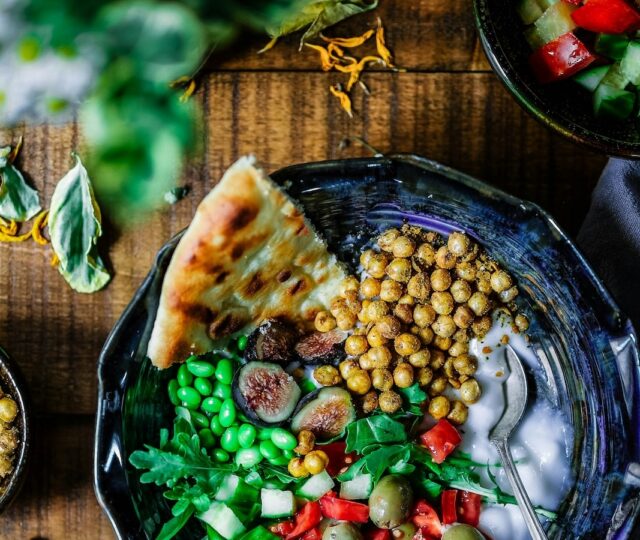

Next week is London Climate Action Week, where we’re using the power of storytelling to drive action in food systems.
Food Tank

Op-Ed | Can Understanding the Dark Matter of Food Revolutionize Agriculture?
Natural plant compounds may one day be a tool for reducing the overuse of synthetic herbicides that harm the environment and human health.
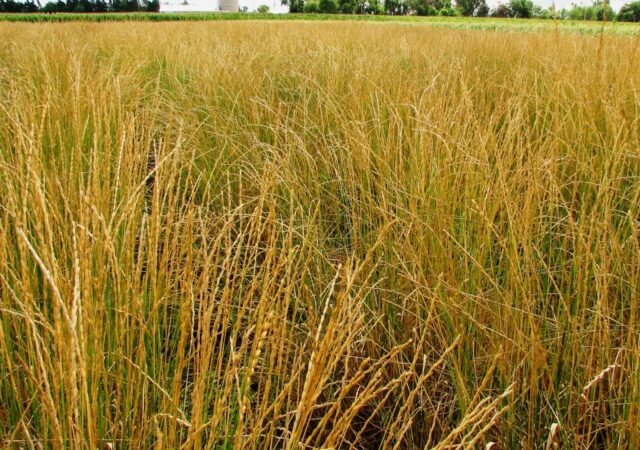
The Business Case for Regenerative Grows
Patagonia Provisions is betting on regenerative food, proving products can support the planet while succeeding in the marketplace.
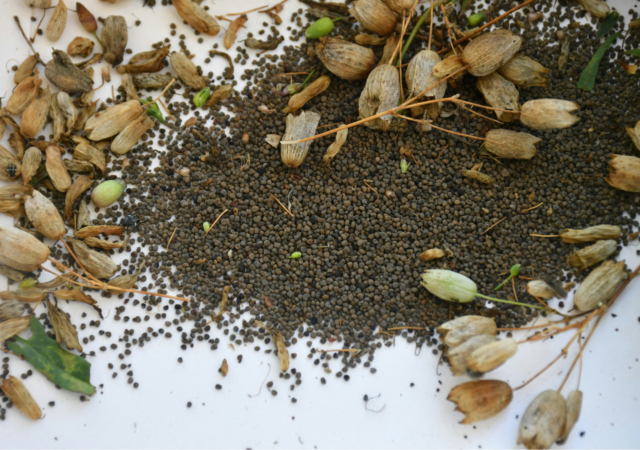
Food Tank Explains: Seed Saving
From ancient farming traditions to modern seed sovereignty movements, seed saving continues to shape food systems worldwide.

Op-Ed | Tasting the Landscape: A Love Letter to the Biology of Food and Being
The molecules of different foods meet within us, shaping our senses, our cells, and our connection to the living world.
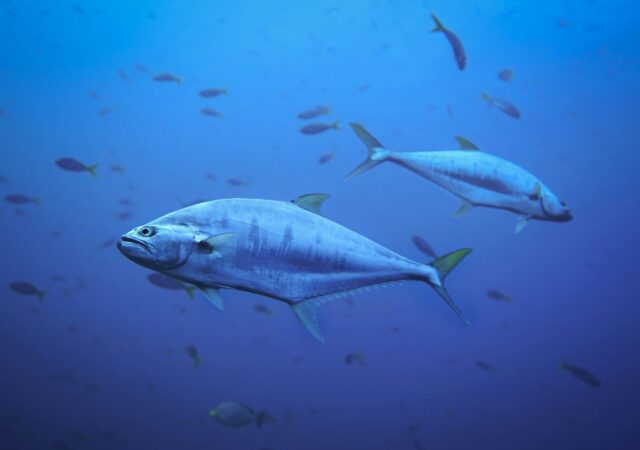
A New Wave of Sustainable Tuna Fishing in Ecuador
TUNACONS is changing how tuna is caught to better protect the fishing industry and marine environment.

Food Tank’s Weekly News Roundup: Synthetic Pesticides Challenged, Marine Species Protected, New World Screwworm Detected in U.S.
This week, new research challenges the necessity of synthetic pesticides, a flesh-eating parasite is detected in the U.S., and a marine biologist acts to save endangered species.

The Puyallup Tribe of Indians Partner with World Cup Host City to Share Culture and Traditions
The Puyallup Tribe is is partnering with SeattleFWC26, sharing their culture, language, and environmental stewardship with a global audience.

Where Does Women’s Health Fit into the International Year of the Woman Farmer?
Women in agricultural communities are farmers. They’re also caregivers, nutrition providers, innovators, pillars of their communities, and so much more.
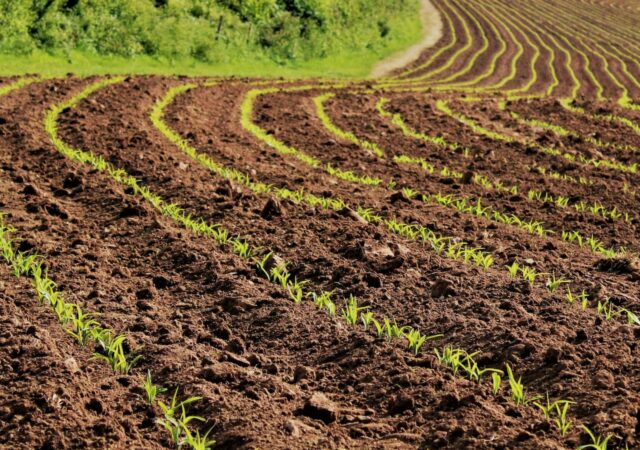
In Monterey County, this Farm Is Building a Path to a Regenerative Food Future
This California-based organization wants to create “a living classroom for regenerative agriculture” where young people can discover a different, more hopeful food future.
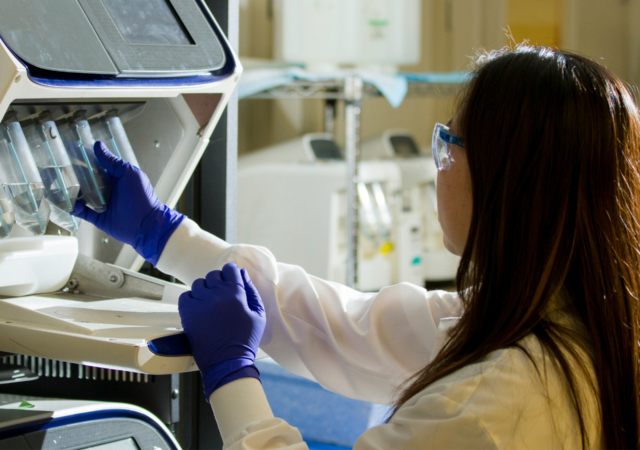
Food Tank Explains: CRISPR
How can gene-editing technology help us shape the future of our food and agriculture systems? Learn more in Food Tank’s latest primer.

How the USDA’s Reorganization Is Straining American Agriculture
The U.S. government is closing a top research lab, pulling vital resources that beekeepers rely on.

Food Tank’s Weekly News Roundup: Colorado River at Historic Low, Dryland Farmers Lead in Resiliency, and Bee Research Facilities’ Proposed Closure
This week’s food news including Colorado River debates, dryland farmers resiliency leaders, and bee research facility closures.

Asking Serious Questions About AI’s Role in Food is Medicine
Can AI play a role in advancing Food is Medicine? With major opportunity comes the serious challenge of using it responsibly.
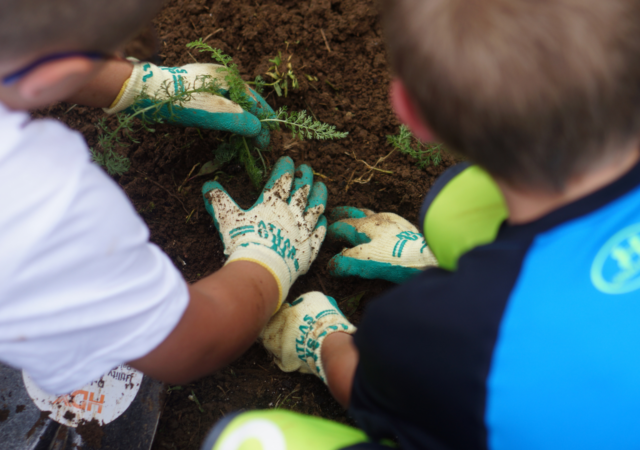
FoodCorps and Teachers College Launch Food Education Microcredential
FoodCorps and Teachers College launch Food Education in the Classroom (Food-E), a microcredential that helps educators integrate nutrition science and experiential learning into K-5 classrooms.
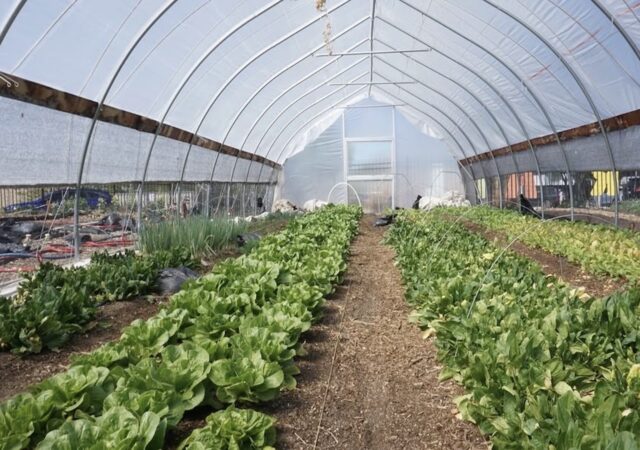
In Colorado Springs, Food to Power Builds Resilience from the Ground Up
Even as nonprofits face challenging and uncertain times, Food to Power is doubling down on serving its community.
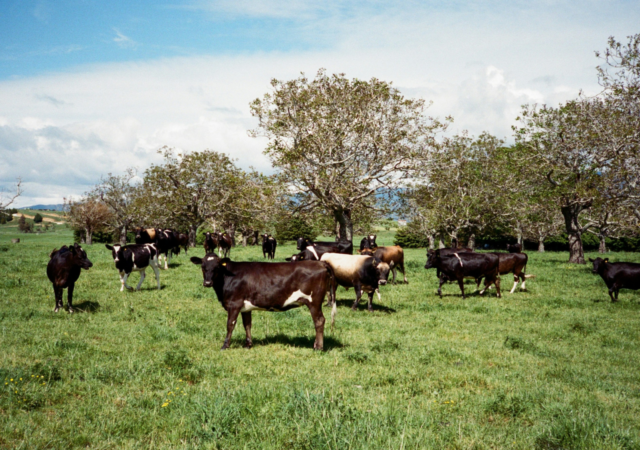
Food Tank Explains: Agroforestry
Agroforestry integrates trees, crops, and livestock into interconnected systems that can benefit farmers, communities, and ecosystems.

New E-Library Expands Access to Global Coffee Agroforestry Research
A new global database aims to make coffee agroforestry research more accessible, supporting climate resilience, farmer livelihoods, and sustainable supply chains.

Report Explores How Food Is Medicine Stakeholders Can Build Lasting Partnerships
A new report from the Milken Institute offers practical tools to help Food Is Medicine stakeholders build stronger and more sustainable partnerships.

Zero Waste Seafood Program Drives Program Blue Economy Boom
Fish byproducts are more than waste. The 100% Fish Program is proving that there’s economic value to unlock, boosting income for fisherfolk.