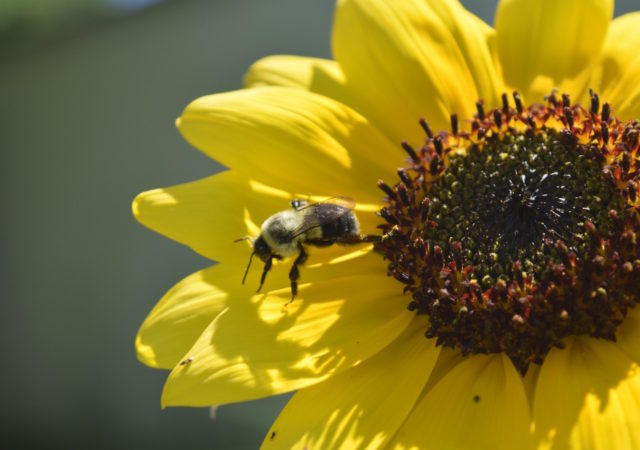

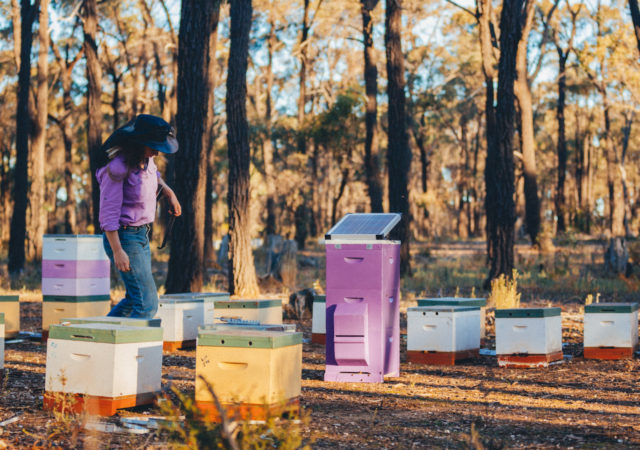
Contributing author: Leslie Brooks More than 75 percent of the world’s food crops rely on pollinators, according to the United Nations Environment Program (UNEP). Through their pollination, bees not only promote biodiversity, but also secure our food supply. But one…
Researchers
Home Gardening Promotes Mental Health during COVID-19
Vegetable gardening takes center stage during the pandemic, nurturing the emotional wellbeing of an increasing number of home gardeners
New on Food Talk Live: Ted Nordhaus of The Breakthrough Institute on How Tech and Intensification Can Save Agriculture
On Food Talk Live: The Breakthrough Institute director Ted Nordhaus explains the research behind his arguments in favor of high-yield crops, intensified animal production, and a globalized supply of cheap food.
A South Indian Researcher is on a Quest to Find Forgotten Foods
A local South Indian researcher is highlighting forgotten foods of the region’s past and reintroducing them to the world.
New Tool Enables Decision Makers to See What Works in their Food Systems
The Food Systems Dashboard, created by Johns Hopkins Alliance for a Healthier World, GAIN, and FAO, offers a comprehensive view of over 230 countries’ food systems.
Dr. Rattan Lal Awarded World Food Prize 2020
Dr. Rattan Lal, founding Director of the Carbon Management and Sequestration Center at The Ohio State University, is the recipient of the 2020 World Food Prize.
Impact of Climate Change on Pests and Diseases of Cassava Crop
Cassava is an important staple crop in many countries around the world and is crucial for food security. But climate change makes the staple crop vulnerable to pests and diseases.
New Protein Study Reveals Power of Millet-Legume Blends for Enhancing Human Health
ICRISAT’s Smart Food initiative released a study that reveals a combination of millets and legumes that creates a complete, nutrient packed protein. This new combination has the potential to help countries with malnutrition.
A New Global Foresight Tool Hopes to Predict the Future of Agriculture
IFPRI has created a new tool that encourages policymakers to use foresight analysis to predict policy implications that ensure a sustainable food system.
New Study Reveals How Agroforestry May Improve Planetary Health
A new study reveals significant links between agroforestry and holistic health in sub-Saharan Africa. While the outcomes of agroforestry are determined by ecology, tree species and tree management, new findings present benefits for both human and planetary health.
Opinion | We Eat for the Stomach, Not the Body
How the Double Burden of Malnutrition—undernutrition and overweight—plays out on the ground: a view from francophone West Africa.
Food News Is Changing And Inspiring Action
Lucy Biggers of NowThis News and Amelia Nierenberg of the New York Times join Dani to talk about the challenges of food news.
Opinion | There Are Many Gains to Be Had from Reducing Food Losses
“FAO’s close review of what we know about food loss offers a reminder that there is no one-size-fits-all solution,” says Máximo Torero.
Remembering Stuart Levy: Scientist Behind Animal Husbandry Advocacy
Food Tank remembers Stuart Levy, a pioneer researcher pushing for better animal husbandry—with only responsible use of antibiotics.
Scientific and Traditional Knowledge Is Helping Save the World’s Largest Freshwater Fish
This program brought an average increase of 29 percent per year in the Arapaima fish population in the region, and an average increase of 25 percent per yearin the income of communities.
Securing Better Land Rights for Women Farmers in Kenya and Burkina Faso
When women farmers in Kenya and Burkina Faso have equal representation in the decision-making process surrounding land governance, food security improves and soils are managed more sustainably.
Opinion | New Report Profiles 21 Organizations Transforming Food Systems
A new report from the Global Alliance for the Future of Food and Biovision Foundation for Ecological Development points clearly to the nature- and people-based solutions available to us.